12 Years of Trang An Complex: World Cultural and Natural Heritage
Located in Ninh Binh Province, the Trang An Complex has become one of Vietnam’s most remarkable destinations, known for its breathtaking landscapes and deep historical value. In 2024, the Trang An Complex marks 10 years since being recognized by UNESCO as a World Cultural and Natural Heritage Site, reaffirming its global significance.
Often referred to as “Ha Long Bay on land,” the Trang An Complex attracts millions of visitors each year who come to explore its limestone mountains, winding rivers, and ancient cultural sites. Over the past decade, the destination has grown into a symbol of sustainable tourism and heritage preservation in Vietnam.
A Decade of Global Recognition
The Trang An Complex was officially inscribed on the UNESCO World Heritage List in June 2014, becoming Vietnam’s first mixed heritage site. This means the Trang An Complex is recognized not only for its natural beauty but also for its cultural and historical importance.
This recognition placed the Trang An Complex firmly on the global tourism map. International travelers, researchers, and nature lovers have since been drawn to the area for its unique combination of geological formations and archaeological significance.
Over the last 10 years, the Trang An Complex has continued to develop while maintaining its core values of conservation and sustainability. Authorities and local communities have worked together to protect the environment, ensuring that tourism growth does not come at the expense of natural heritage.
A Unique Landscape Shaped by Time
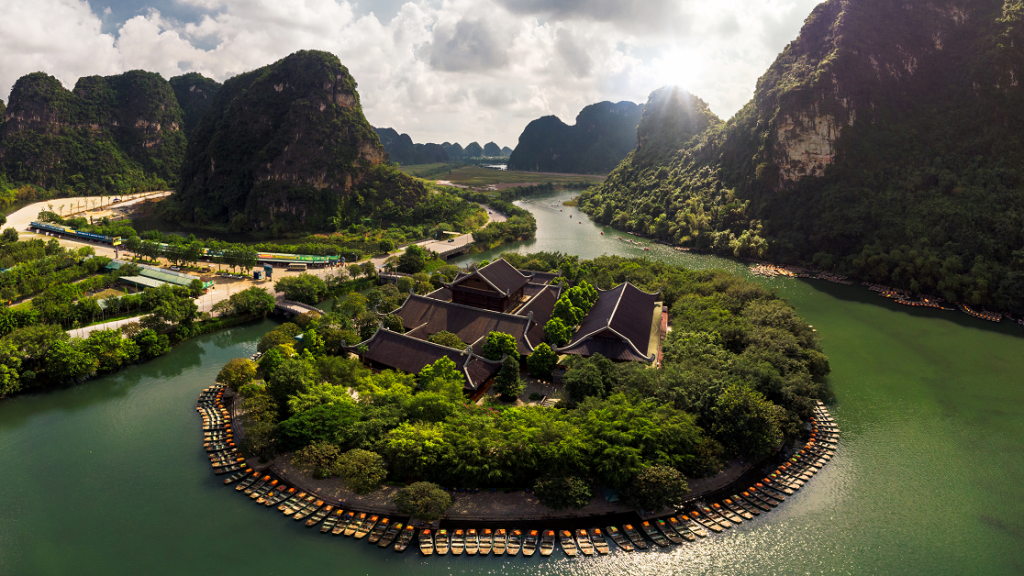
One of the most striking features of the Trang An Complex is its dramatic natural landscape. Towering limestone karsts rise sharply from the ground, surrounded by rivers that weave through valleys and caves.
These formations were created over millions of years, making the Trang An Complex a valuable site for geological study. Visitors often describe the scenery as both peaceful and awe-inspiring, offering a rare sense of connection with nature.
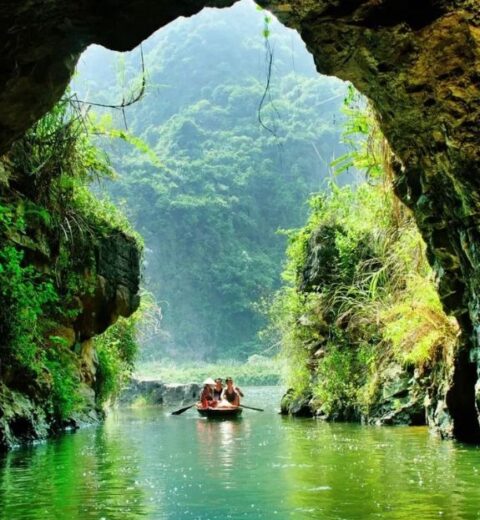
The cave system within the Trang An Complex is particularly impressive. Many of the caves stretch for hundreds of meters, allowing small boats to pass through in near silence. As sunlight filters through openings in the rock, the experience becomes almost surreal.
This combination of water, mountains, and caves is what makes the Trang An Complex one of the most visually unique destinations in Southeast Asia.
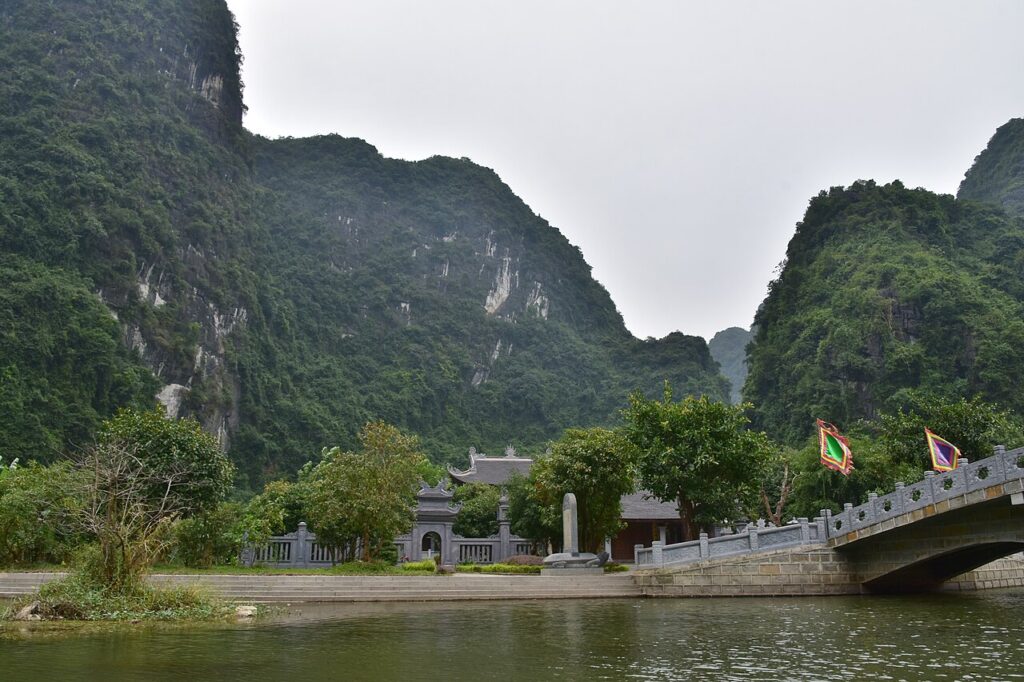
A Rich Cultural and Historical Heritage
Beyond its natural beauty, the Trang An Complex also holds significant cultural and historical value. Archaeological discoveries in the area suggest that humans have lived here for over 30,000 years.
The complex includes several key sites that contribute to its cultural importance:
- The Trang An ecological zone
- Tam Coc – Bich Dong scenic area
- Hoa Lu Ancient Capital
Hoa Lu, once the capital of Vietnam in the 10th century, adds a historical dimension to the Trang An Complex. Visitors can explore ancient temples, learn about early Vietnamese dynasties, and gain insight into the country’s rich past.
The integration of natural and cultural elements is what sets the Trang An Complex apart from many other destinations. It is not just a place to admire scenery, but also a place to understand history and heritage.
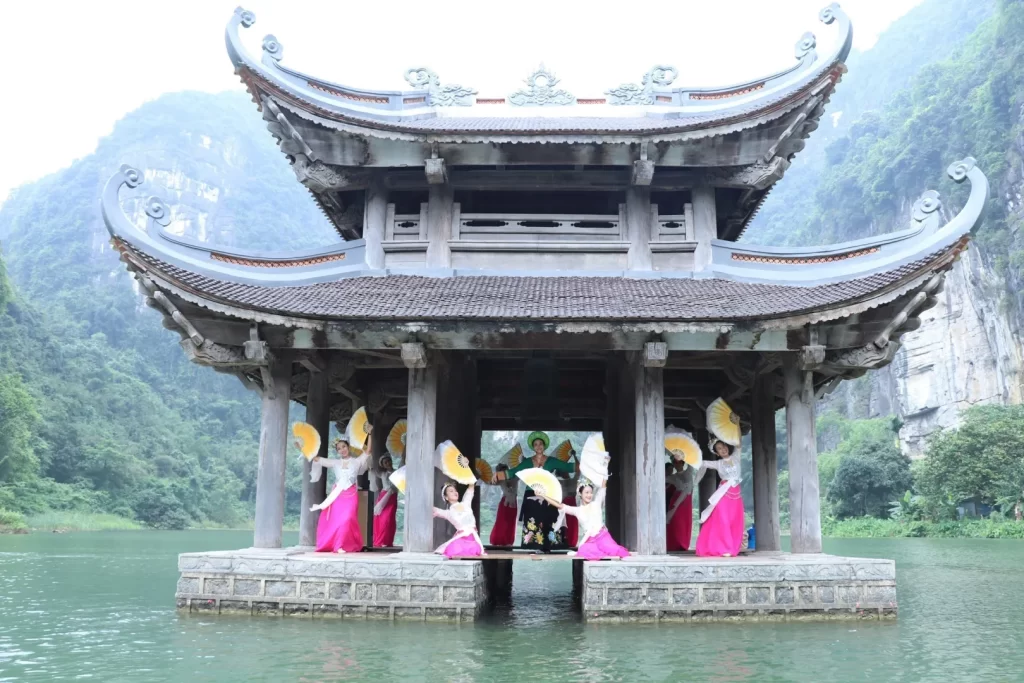
Tourism Growth and Visitor Experience
Since receiving UNESCO recognition, the Trang An Complex has seen steady growth in tourism. It has become one of the most visited destinations in northern Vietnam, attracting both domestic and international travelers.
One of the most popular activities in the Trang An Complex is the boat tour. Visitors sit in small rowboats guided by local boatmen, traveling along peaceful rivers and through caves. This slow and immersive experience allows travelers to fully appreciate the natural surroundings.
In addition to boat tours, visitors can:
- Explore ancient temples and pagodas
- Cycle through the countryside
- Visit nearby attractions such as Tam Coc and Hang Mua
- Experience local culture and cuisine
Despite the increase in tourism, the Trang An Complex has maintained a relatively calm and unspoiled atmosphere compared to other major destinations. This balance between accessibility and preservation is one of its greatest strengths.
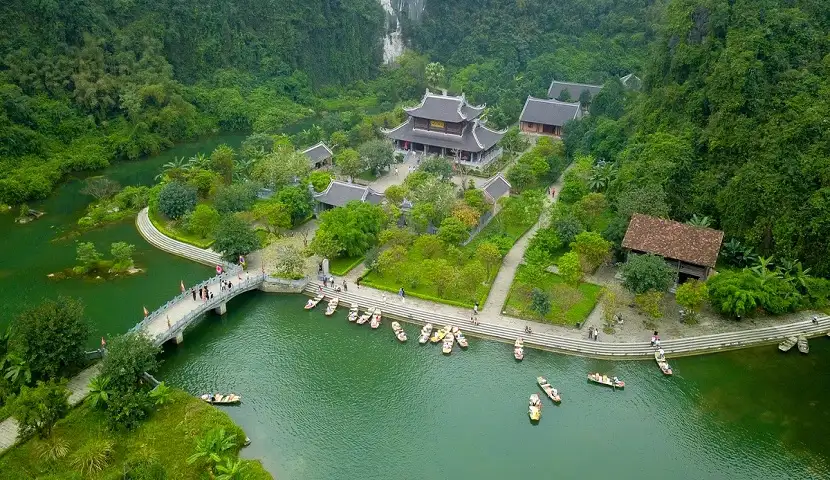
Sustainable Development and Preservation
A key reason behind the long-term success of the Trang An Complex is its focus on sustainable tourism. Local authorities have implemented measures to protect the environment, limit overcrowding, and preserve cultural heritage.
Efforts include:
- Regulating the number of boats and visitors
- Protecting cave systems and natural habitats
- Promoting eco-friendly tourism practices
- Supporting local communities through tourism
These initiatives ensure that the Trang An Complex remains a valuable destination not only for today’s travelers but also for future generations.
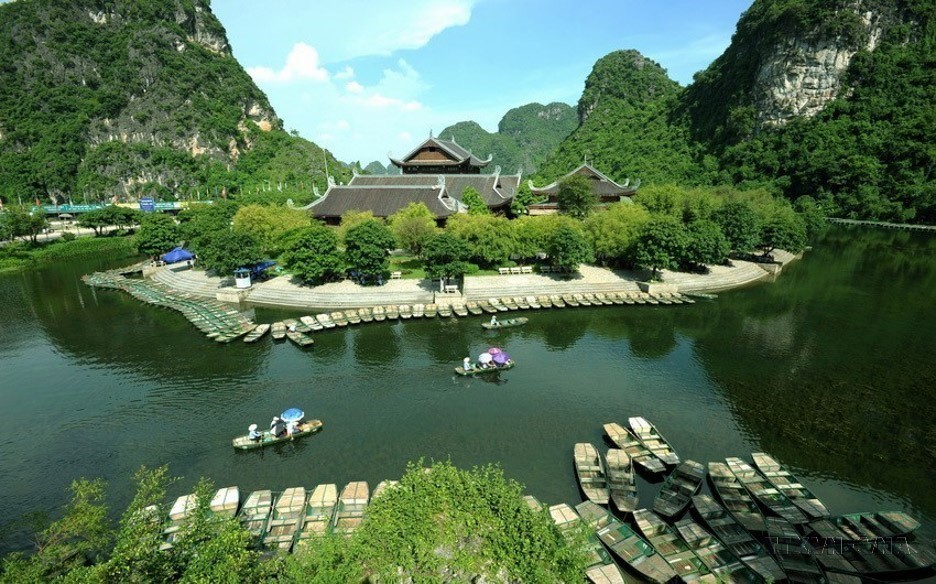
A Symbol of Vietnam’s Natural Beauty
After a decade of UNESCO recognition, the Trang An Complex continues to represent the best of Vietnam’s natural and cultural heritage. Its unique landscape, rich history, and sustainable development model make it a standout destination in Southeast Asia.
For many visitors, the Trang An Complex is more than just a travel destination-it is an experience that combines nature, culture, and tranquility in a way that few places can offer.
Marking 10 years as a UNESCO World Heritage Site, the Trang An Complex stands as a powerful example of how nature and culture can coexist in harmony. With its breathtaking scenery and historical depth, it remains a must-visit destination for anyone traveling to Vietnam.
For more travel inspiration, real experiences, and hidden gems across Vietnam, you can join the Vietnam Travel Guide 🇻🇳 and HELLO VIỆT NAM ✅ Facebook groups.