Vietnam Visa Guide: Everything You Need to Know Before Traveling
Vietnam Visa requirements are an essential part of planning a trip to Vietnam, a country that attracts millions of visitors each year with its breathtaking landscapes, deep-rooted history, and dynamic local culture. This detailed guide explains visa options, exemptions, application methods, and practical tips to help travelers prepare smoothly and confidently for their journey..
Urgent notice:
If you encounter issues during the application process or experience delays with an e-visa, you can seek advice and real-life support from traveler communities online.
1. Do you need a Vietnam Visa to enter the country?
Vietnam Visa requirements depend largely on your passport, how long you intend to stay, and the reason for your visit. Some travelers can enter Vietnam without a visa for a limited time, while others must apply in advance.
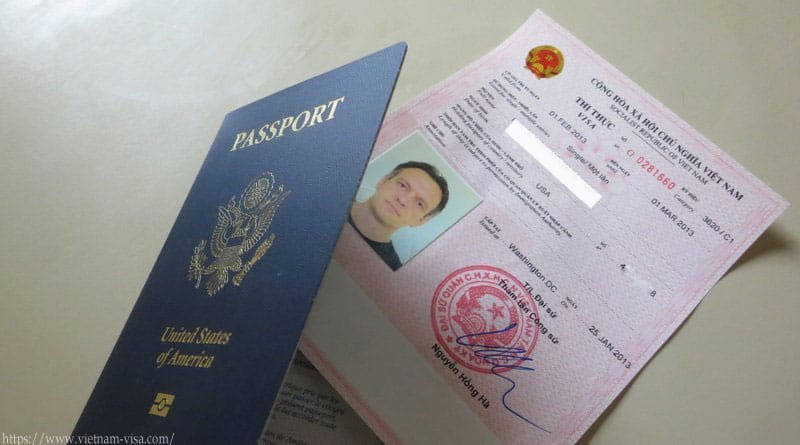
Visa Exemptions: Vietnam grants visa-free entry to citizens of several countries for short stays, including:
- Up to 30 days: Citizens of ASEAN member states such as Thailand, Indonesia, and Malaysia. Foreign nationals are granted visa-free entry to Vietnam when traveling to Phu Quoc Island, with a maximum stay of up to 30 days. This exemption also applies to travelers who transit through an international border checkpoint of Vietnam, including air and sea ports, before continuing their journey to Phu Quoc Island.
- Up to 45 days: Japan, South Korea, Russia, Spain, United Kingdom and and several EU countries, including Denmark, Norway, Finland, Sweden, France, Italy, Germany. Republic of Poland, the Czech Republic, and the Swiss Confederation for a temporary stay of up to 45 days from the date of entry for tourism purposes.
- Up to 90 days: Citizens of Chile
Travelers exceeding these limits or visiting for purposes beyond tourism must apply for an appropriate visa.
2. Types of Vietnam Visa available
Vietnam Visa options include multiple categories designed to accommodate different travel needs.
| Code | Visa Type | Eligible Applicants / Purpose | Maximum Validity |
| DL | Tourist Visa | Foreign nationals traveling to Vietnam for tourism, sightseeing, or leisure | Up to 90 days |
| DN1 | Business Visa | Foreign nationals entering Vietnam to work, sign contracts, or cooperate with Vietnamese companies | 3-12 months |
| LĐ1 | Work Visa (with Work Permit) | Foreign nationals holding a valid work permit issued in Vietnam | 1-2 years |
| LĐ2 | Work Visa (Work Permit Exempt) | Experts exempt from work permit requirements (shareholders, managers, executives, etc.) | 1-2 years |
| TT | Family Visit Visa | Foreign nationals with relatives who are Vietnamese citizens or legally residing in Vietnam | 3-12 months |
| ĐT1 – ĐT4 | Investor Visa | Foreign investors with valid investment licenses or projects in Vietnam | 1-5 years (depending on capital amount) |
| EV | Electronic Visa (E-Visa) | Eligible foreign nationals applying online without a sponsorship letter | Up to 90 days, single or multiple entry |
| DH | Study/Research Visa | International students, researchers, or interns at Vietnamese educational institutions | Based on study program duration |
| VR | Other Visit Visa | Foreign nationals visiting Vietnam for humanitarian, community, religious, or other approved purposes | Subject to approval |
| NN1 – NN3 | International Organization Visa | Foreign nationals working for diplomatic missions, international organizations, or NGOs in Vietnam | Based on assignment term |
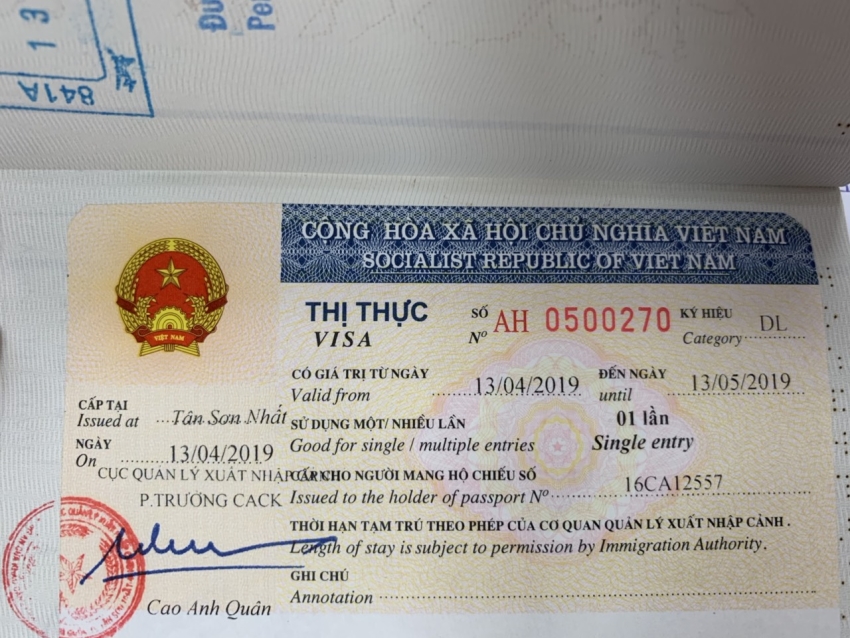
2.1. Tourist Visa (DL)
This type of Vietnam Visa is designed for leisure travel, sightseeing, and short-term visits. It is usually valid for 30 to 90 days and may allow single or multiple entries depending on approval.
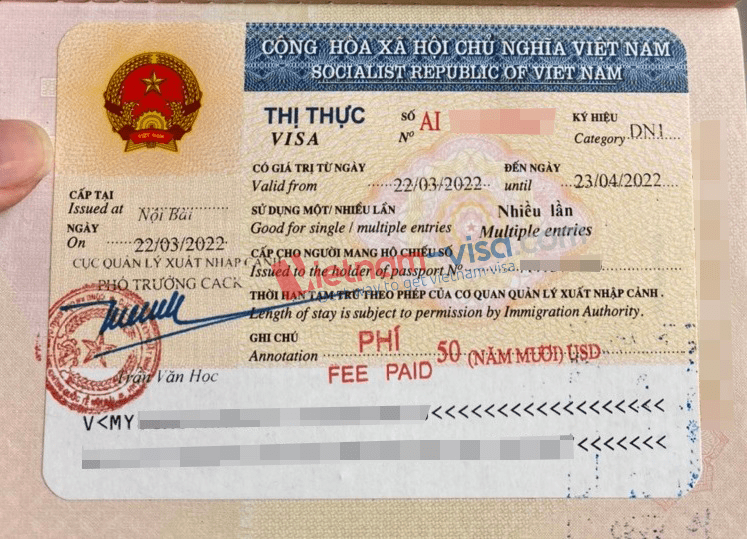
2.2. Business Visa (DN1/DN2)
Business visas are issued for attending meetings, conferences, or professional activities. Validity can extend up to 12 months, depending on sponsorship and visa conditions.
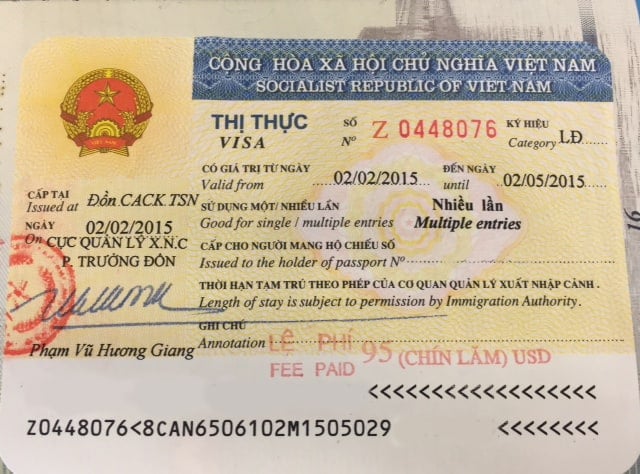
2.3. Work Visa (LD1/LD2)
Work visas are intended for foreign nationals employed in Vietnam. Applicants must obtain a work permit or confirmation issued by the sponsoring employer.
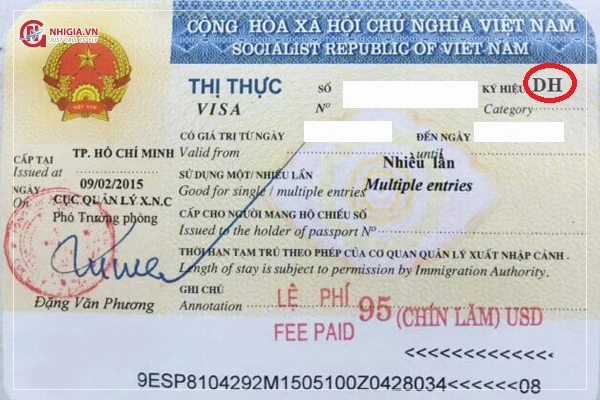
2.4. Student Visa (DH)
This Vietnam Visa is issued for educational purposes and requires official proof of enrollment from a recognized Vietnamese educational institution.
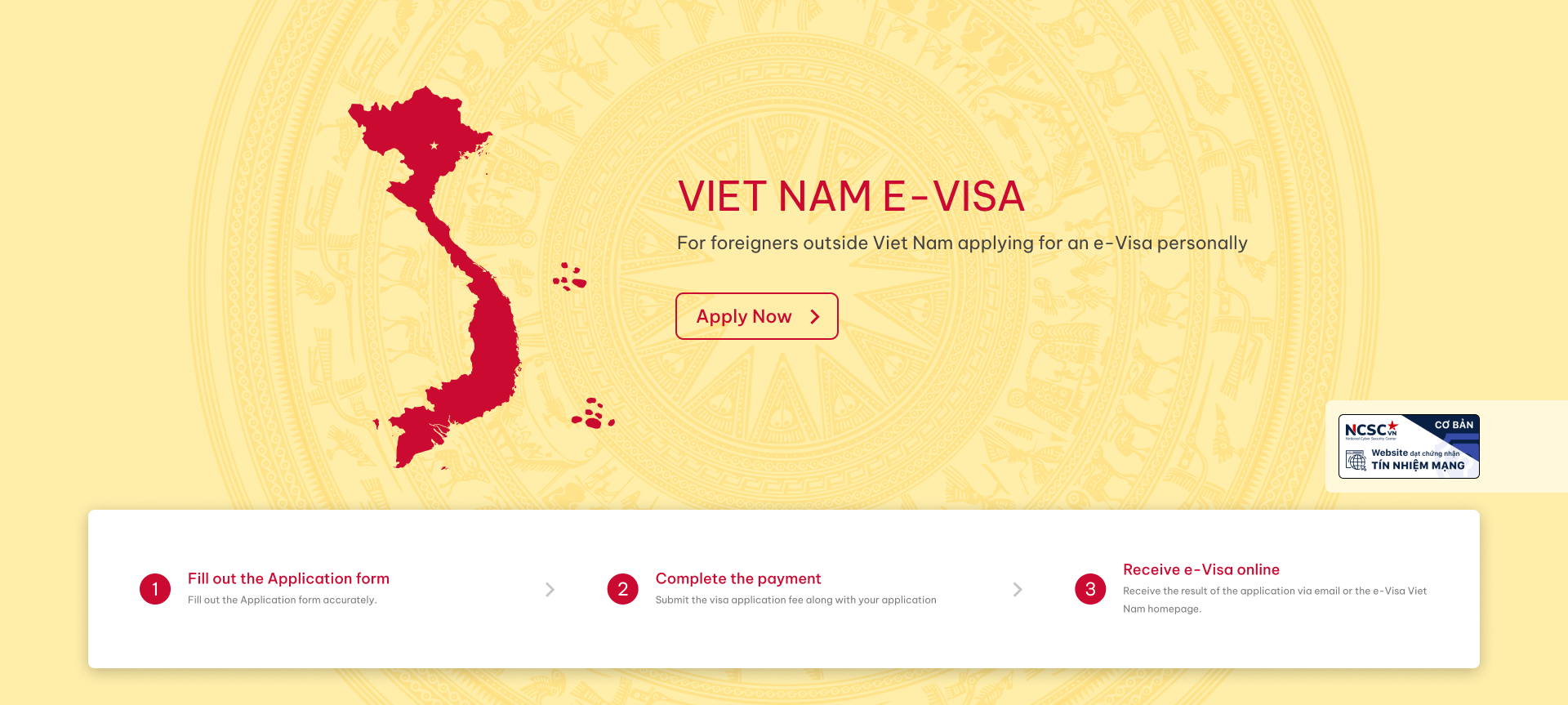
3. E-Visa: A convenient and popular choice
3.1. E-visa’s key features
- Application method: All procedures are completed entirely online, with no requirement to visit a Vietnamese Embassy or Consulate.
- Validity: Up to 90 days.
- Entry type: Available as single entry (USD 25) or multiple entry (USD 50).
- Eligible applicants: Since 2023, the e-visa has been available to citizens of all countries and territories.
- Permitted purposes: Tourism, business, commercial activities, and family visits.
- Processing time: Approximately 3-5 working days.
- Visa fee: Paid online and non-refundable.
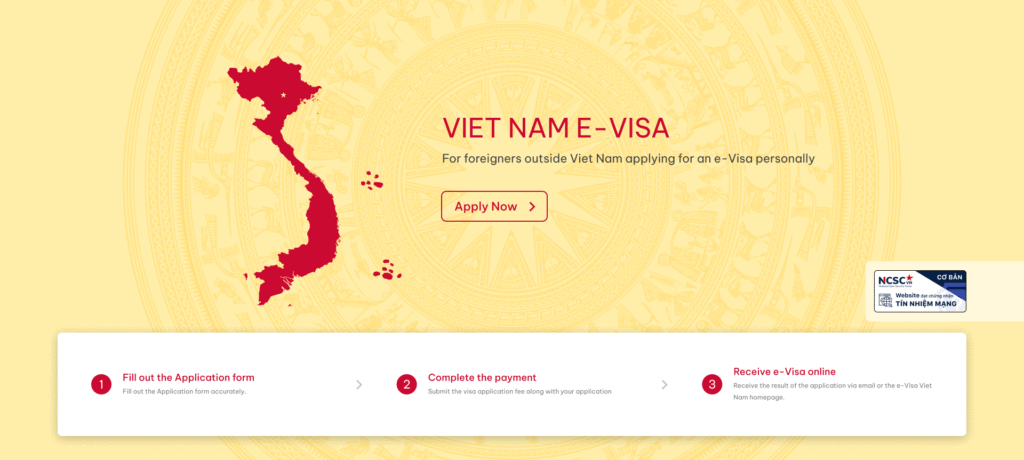
3.2. How to apply for an E-Visa
Step 1: Access the official Vietnam Electronic Visa Portal.
Update: From 08:00 on 11/11/2024 (GMT+7), the portal operates under two domains: https://thithucdientu.gov.vn and https://evisa.gov.vn
Step 2: Complete the application form by providing passport details, travel dates, and intended entry and exit points.
Step 3: Upload a passport-sized photo and a scanned copy of your passport in PDF format.
Step 4: Pay the visa fee using a valid debit or credit card.
Step 5: Receive the approval result via email, then download and print the e-visa for presentation upon arrival.
4. Visa on Arrival (VOA)
For travelers unable to use the e-visa system or requiring specific visa conditions, Visa on Arrival remains an alternative option.
4.1. How the VOA process works
Step 1: Submit the visa application online.
Step 2:Receive the visa approval letter via email and print it out. At the same time, prepare the entry and exit declaration form, two passport-sized photos (4×6 cm), your original passport, and the visa stamping fee in cash.
Step 3:Present all required documents at the Visa on Arrival (VOA) counter at the Vietnamese airport and pay the stamping fee to have the visa stamped into your passport.
For VOA, travelers may only apply for one of the following two visa types:
– Tourist visa
– Business visa
4.2. Stamping Fees
Single-entry visa: USD 25
Multiple-entry visa: USD 50-135, depending on duration
The Vietnam Visa VOA is available only at Vietnam’s international border checkpoints include international airports such as Noi Bai International Airport, Tan Son Nhat International Airport, and Da Nang International Airport; international land border crossings including Huu Nghi, Lao Cai (Ha Khau), Moc Bai, Cau Treo, and others; as well as international seaports across the country.
5. Entry requirements for all visa types
Regardless of the Vietnam Visa category, travelers must meet the following requirements:
- A passport valid for at least six months beyond the date of arrival
- Proof of onward or return travel
- Confirmed accommodation details for the stay in Vietnam
Failure to meet these Vietnam Visa requirements may result in denied entry.
6. Options for long-term stays
Travelers planning extended stays should consider:
- Visa extensions: Applications can be made through immigration offices or licensed agencies
- Multiple-entry visas: Suitable for frequent travelers who plan to exit and re-enter Vietnam during their stay
7. Common mistakes to avoid
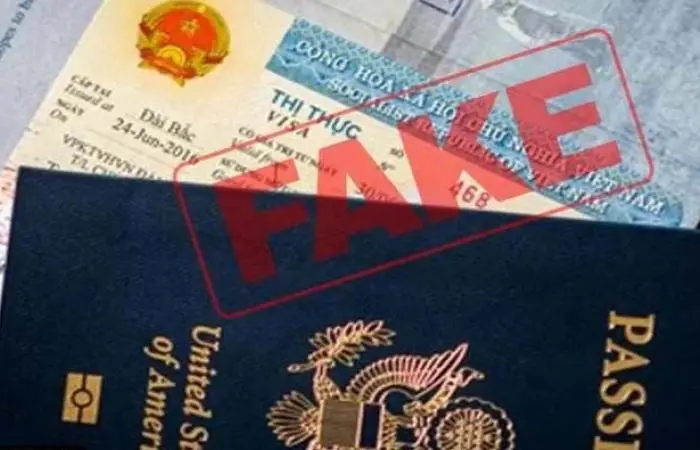
Applying through unofficial websites can expose travelers to scams. Always ensure the Vietnam Visa type matches your travel purpose, and avoid overstaying, as penalties may include fines or future entry restrictions.
8. Practical tips for a smooth application
Submitting your Vietnam Visa application at least two to three weeks before departure helps avoid delays. Carefully reviewing personal information and carrying both digital and printed copies of your Vietnam Visa will further reduce travel complications.
9. Frequently asked questions
Can an e-visa be extended?
Yes, extensions are possible but typically require assistance from local immigration offices or agencies.
Are land borders available for Vietnam Visa e-visa holders?
Yes, Vietnam Visa e-visas are accepted at selected land border crossings listed on official government websites.
Is the e-visa fee refundable?
No, all application fees are non-refundable, even if the visa is denied.
Understanding the Vietnam Visa process in advance ensures a smooth and stress-free journey. With proper preparation and the right visa choice, travelers can focus on enjoying Vietnam’s stunning scenery, historic sites, and vibrant local life. Begin your application early and get ready to explore one of Southeast Asia’s most captivating destinations.