Mu Cang Chai: Ultimate Travel Guide
Explore the complete travel guide for Mu Cang Chai, Vietnam’s iconic terraced landscape, including the best seasons, cultural experiences, how to get there, local food and accommodation options for a memorable journey.
1. Discover Mu Cang Chai – Vietnam’s iconic terraced landscape
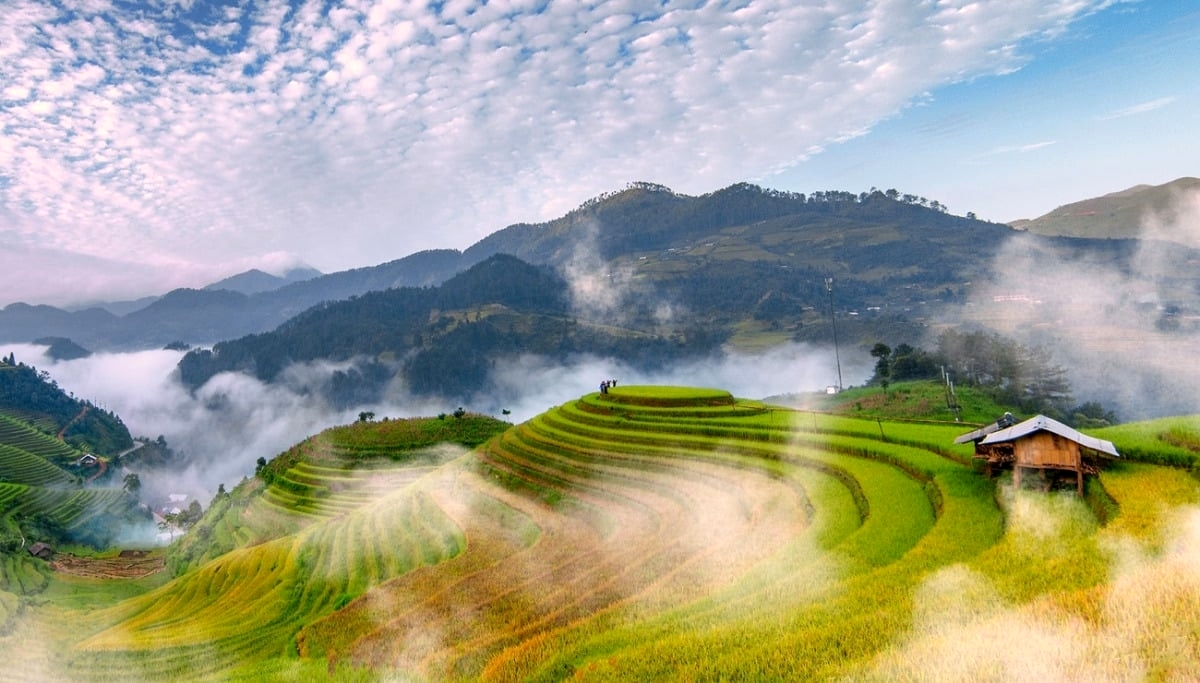
Hidden among the soaring mountains of Yen Bai Province, Mu Cang Chai is one of northern Vietnam’s most visually striking and culturally rich destinations. Far from the bustle of major cities, this highland district is celebrated for its vast rice terraces carved into steep hillsides, forming natural patterns that change color with the seasons. These terraces are not only breathtaking to look at but also represent generations of agricultural knowledge passed down among ethnic minority communities.
Travelers who venture here are rewarded with dramatic scenery, winding mountain passes, and a slower rhythm of life. The landscape feels raw and untouched, offering an immersive experience for those seeking nature, photography, and authentic cultural encounters. Unlike more commercialized destinations, this area retains a strong sense of identity rooted in tradition and harmony with the environment.
2. Climate and the best time to visit Mu Cang Chai
The climate in this mountainous region is shaped by elevation, creating cool temperatures and fresh air throughout much of the year. Each season presents a distinct character, making timing an important factor when planning a visit.
From late May to early June, rainfall fills the terraced fields in preparation for planting. During this water season, the hills reflect the sky like mirrors, creating surreal scenery that attracts photographers from across the country. The terraces appear fluid and luminous, especially during sunrise and sunset.
Between June and August, young rice plants grow rapidly, transforming the slopes into endless layers of vibrant green. This is an ideal period for travelers who enjoy trekking and scenic drives, as visibility is high and the countryside feels alive with agricultural activity.
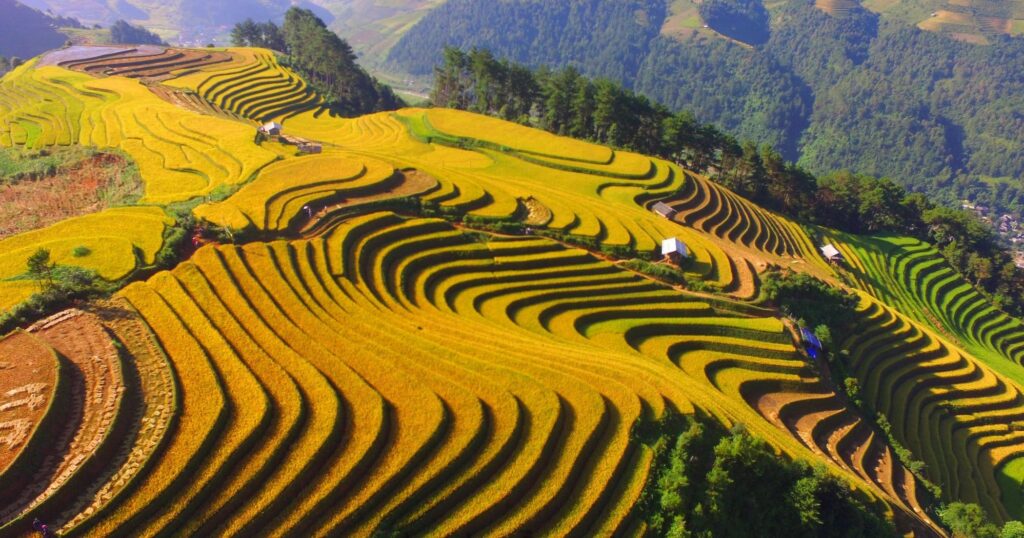
The most famous period arrives from September to October when the rice ripens and the landscape turns golden. Harvest season brings festive energy to villages, with farmers working across the fields and cultural traditions becoming more visible. This time is widely considered the most beautiful, though also the busiest.
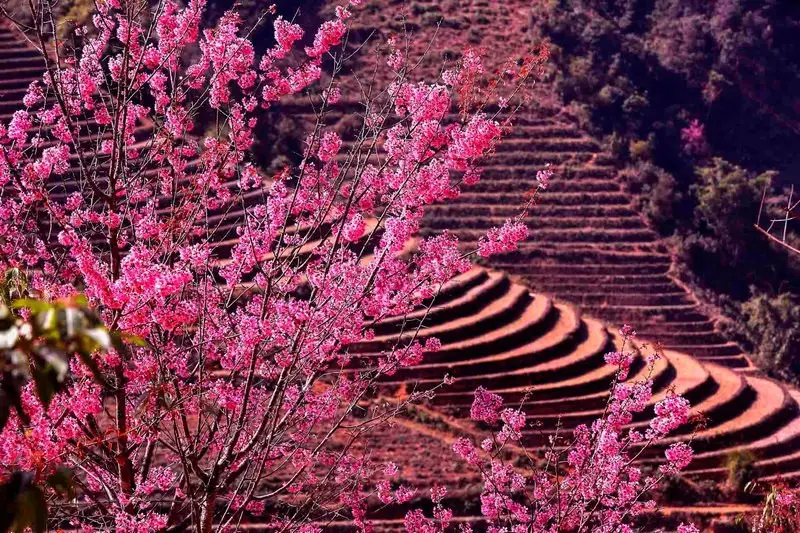
Winter months from November to February are colder and quieter. Morning mist often blankets the valleys, creating a mystical atmosphere that appeals to visitors who prefer solitude and moody landscapes.
3. How to travel from Ha Noi to Mu Cang Chai
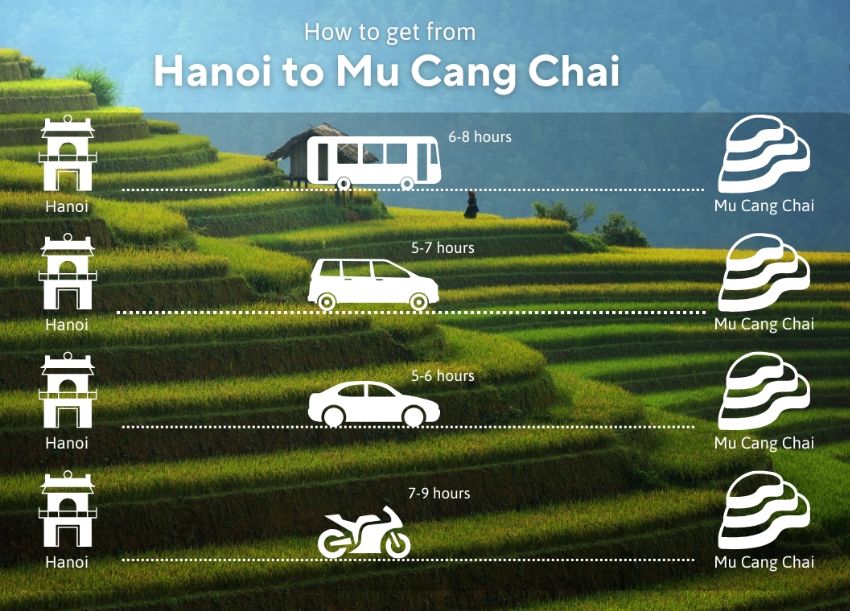
The journey from Hanoi is an adventure in itself, stretching roughly 300 kilometers through northern Vietnam’s mountainous terrain. Most travelers choose to go by road, allowing them to experience the changing scenery along the way.
Traveling to Mu Cang Chai by private car or motorbike offers flexibility and access to scenic stops such as Khau Pha Pass, one of the most impressive mountain passes in the region. The drive typically takes 7 to 9 hours, depending on weather and road conditions, and rewards travelers with sweeping views of valleys and terraced hills.
Sleeper buses are another popular option to get to Mu Cang Chai, departing from major bus stations in Hanoi and arriving directly in town after an overnight journey. This option is convenient for those who prefer comfort and minimal planning.
Some visitors combine train and road travel by taking a train to Yen Bai City and continuing to Mu Cang Chai by bus or taxi into the mountains. While this route takes longer, it offers a relaxed and scenic alternative.
4. Rice terraces and natural attractions
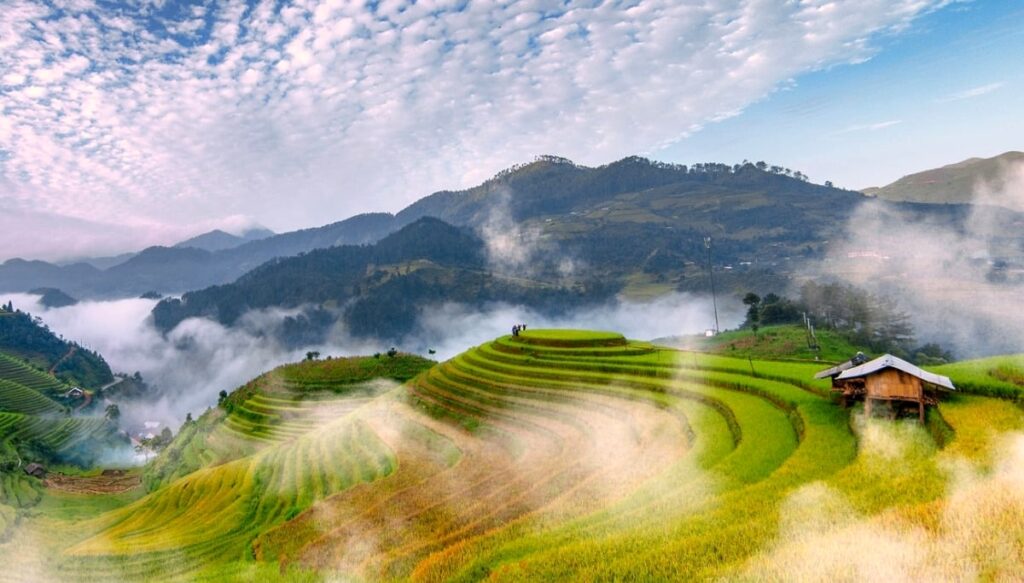
The terraced fields are the heart of the region’s identity. Built entirely by hand over centuries, they demonstrate remarkable engineering adapted to steep slopes and limited water resources. These terraces are not just agricultural land but living cultural landscapes recognized nationally for their value.
Beyond the fields, the surrounding mountains, rivers, and forests create countless opportunities for exploration. Khau Pha Pass stands out as a highlight, offering panoramic views that stretch across valleys and layered hills. On clear days, the scenery feels almost endless, with clouds drifting below the mountain peaks.
Small waterfalls, streams, and bamboo forests add to the area’s natural diversity, making short hikes and countryside walks deeply rewarding. The peaceful environment allows travelers to disconnect from modern pressures and reconnect with nature.
5. Ethnic culture and local life
Cultural richness is another defining feature of Mu Cang Chai. The area is home to several ethnic minority groups, including the H’Mong, Thai, and Dao people. Each community maintains its own language, clothing styles, festivals, and traditions.
Village visits offer insight into daily life shaped by agriculture and craftsmanship. Traditional wooden houses, terraced fields behind family homes, and handwoven textiles reveal a way of life closely tied to the land. Seasonal markets are particularly vibrant, where locals gather to trade produce, livestock, and handmade goods.
Festivals and communal events often coincide with agricultural cycles, especially during planting and harvest seasons. Visitors who arrive at the right time may witness traditional music, dancing, and ceremonies that celebrate nature and ancestral heritage.
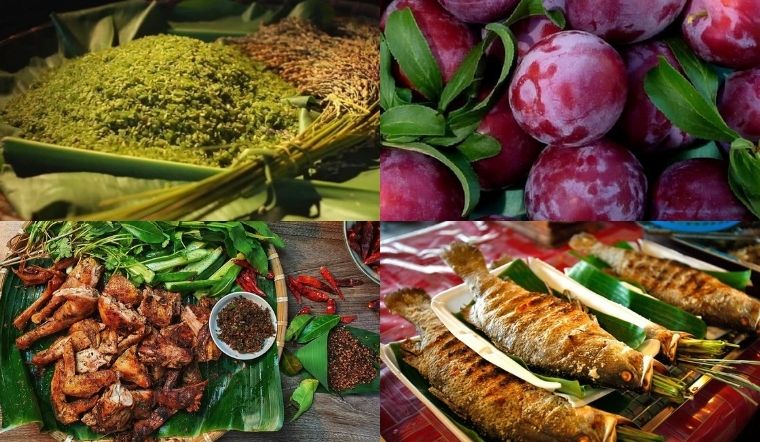
6. Local cuisine and regional specialties
Food in Mu Cang Chai reflects its climate and cultural diversity. Dishes are simple yet flavorful, relying on locally grown ingredients and traditional cooking methods.
Sticky rice plays a central role in daily meals, with varieties made from young green rice or naturally colored grains. Tu Le Valley, located nearby, is especially known for its fragrant sticky rice, which is often steamed in bamboo or served with grilled meats.
Mountain vegetables, free-range poultry, smoked meats, and fermented specialties are common on local tables. Meals are typically shared, emphasizing community and hospitality, and homestay guests are often invited to dine with host families.
7. Accommodation options and where to stay
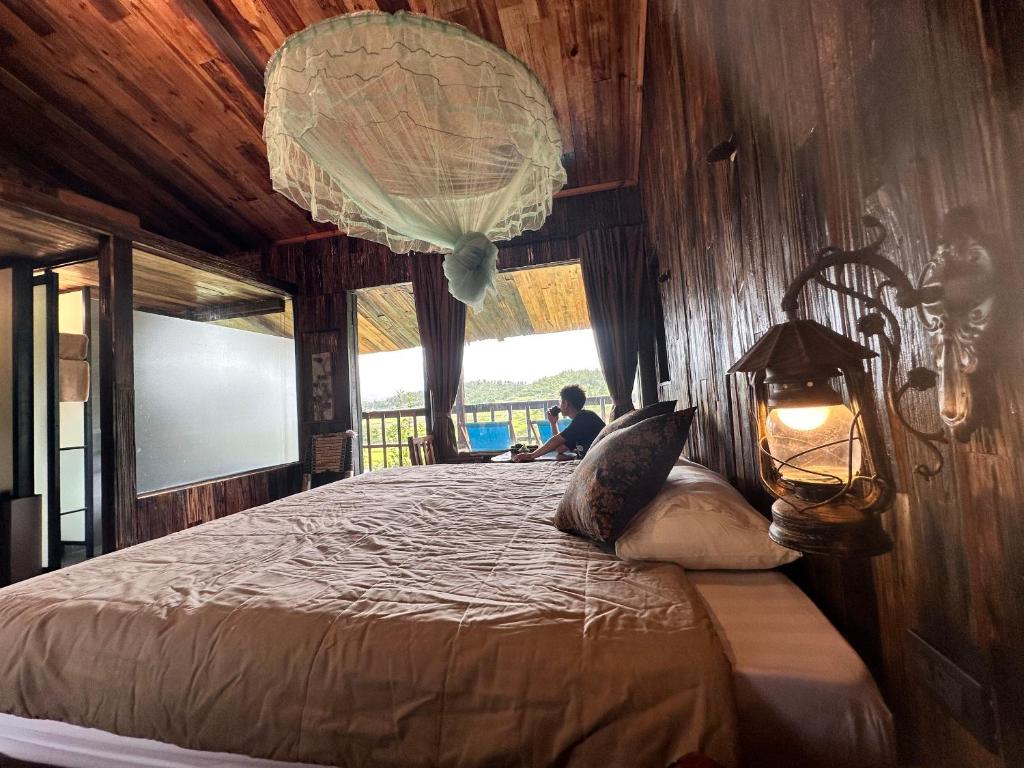
In Mu Cang Chai, accommodation has evolved in recent years to meet growing interest while maintaining a low-impact approach to tourism. Most travelers choose homestays or eco-lodges that blend into the natural environment.
Staying in a homestay offers a deeper cultural experience, with simple yet comfortable rooms, home-cooked meals, and opportunities to learn about local customs. Many properties are located near terraced fields, allowing guests to enjoy sunrise views directly from their windows.
Small hotels and guesthouses are also available in town for those seeking more privacy while remaining close to transport and services. Regardless of choice, accommodation here tends to prioritize atmosphere and connection over luxury.
8. Practical travel tips for visitors
Road conditions can be challenging, especially during the rainy season, so checking weather forecasts and allowing extra travel time is essential. Comfortable walking shoes are recommended, as exploring villages and terraces often involves uneven paths.
Cash should be prepared in advance since banking facilities are limited. Respectful behavior, modest clothing, and asking permission before photographing people will go a long way in building positive interactions with local communities.A journey to Mu Cang Chai is more than a scenic getaway; it is an encounter with a living cultural landscape shaped by nature and human resilience. From golden harvests to misty winter mornings, every season reveals a different story woven into the mountains. For travelers seeking authenticity, breathtaking scenery, and meaningful cultural connections, this highland destination offers an experience that lingers long after the journey ends.