Moc Chau Travel Guide: A Nature Escape in Northern Vietnam
Moc Chau is a cool-climate plateau in northern Vietnam, celebrated for its rolling tea hills, cascading waterfalls, diverse ethnic cultures, seasonal flower blooms, and a slow-paced style of travel that invites visitors to reconnect with nature and local life.
Located on a vast plateau in Son La Province, Moc Chau stands apart from Vietnam’s more commercial destinations. Its appeal lies in openness rather than spectacle, in distance rather than convenience. At over 1,000 meters above sea level, the area enjoys a mild climate year-round, shaping both the landscape and the lifestyle of the people who live here. For travelers seeking fresh air, wide horizons, and meaningful encounters, this highland town offers an experience rooted in nature and time-honored traditions.
Exploring Moc Chau through its landscapes and geography
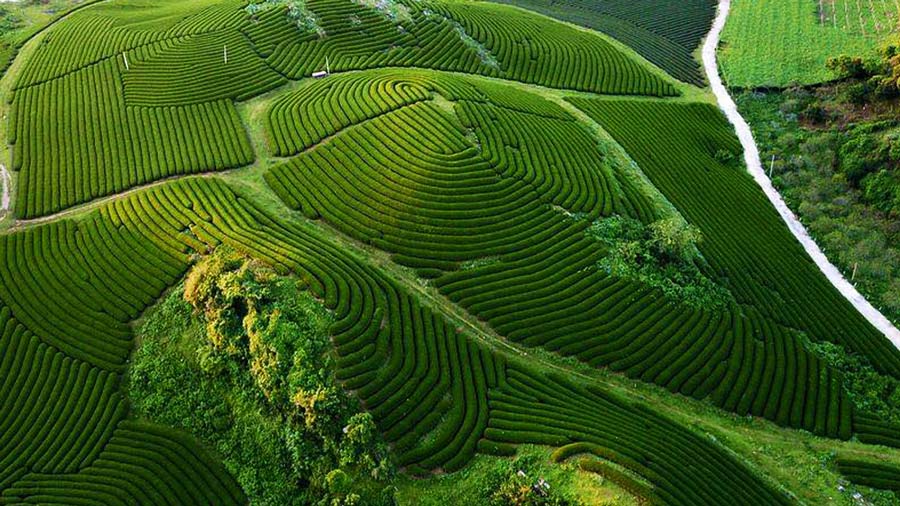
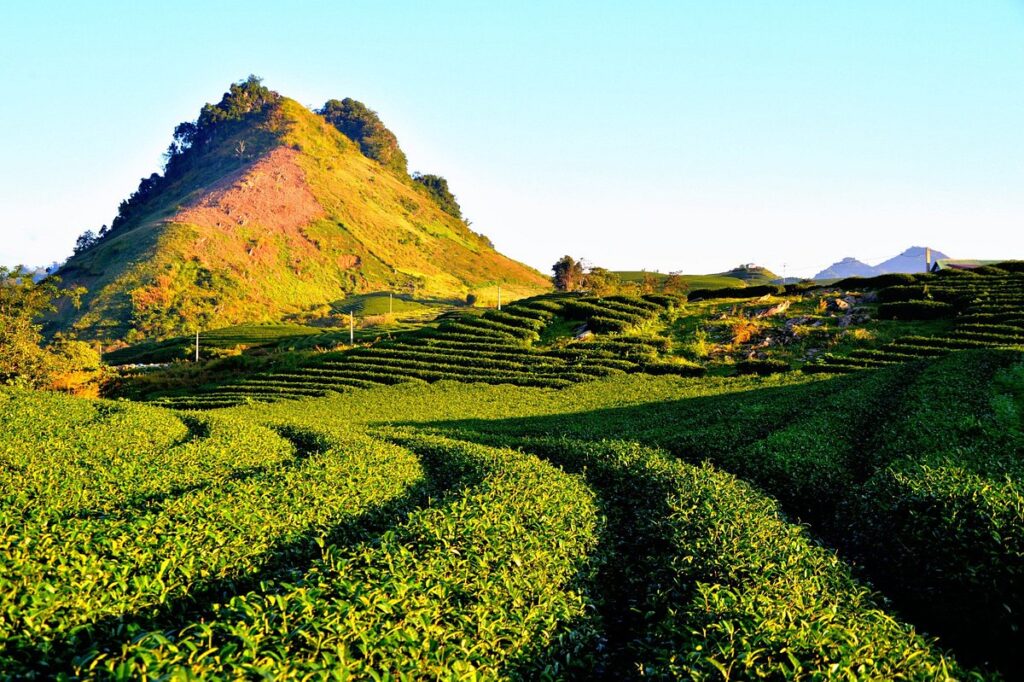
Moc Chau stretches across rolling terrain where mountains soften into grasslands and cultivated hills. Tea plantations dominate much of the plateau, forming long curves that follow the land’s natural contours. These fields are most striking in the early morning, when mist drifts slowly between rows of tea bushes and sunlight filters through thin clouds. The scenery changes subtly throughout the day, from cool blue tones at dawn to warm greens by afternoon.
Karst formations rise on the outskirts of the plateau, creating caves, cliffs, and valleys that add depth to the region’s geography. Pine forests appear unexpectedly along winding roads, giving certain areas a distinctly temperate feel rarely associated with Vietnam. This mix of landscapes allows visitors to experience varied environments within short distances, making exploration both easy and rewarding.
Tea culture and agricultural life on the plateau
Tea is inseparable from daily life here in Moc Chau. The plateau’s climate and soil conditions have supported tea cultivation for decades, resulting in expansive farms that are both productive and visually iconic. Workers can often be seen harvesting leaves by hand, especially in the early hours of the day. These scenes reflect a rhythm that has changed little over time.
Some tea farms welcome visitors, offering insight into cultivation and processing methods. Tasting fresh tea on-site adds another layer to the experience, connecting the landscape directly to local livelihoods. Beyond tea, dairy farming also plays a significant role, supported by cool temperatures and open grazing land.
Waterfalls, valleys, and natural highlights in Moc Chau
Water flows generously through the region, especially during the rainy season. Dai Yem Waterfall is one of the most visited natural attractions, cascading over multiple tiers surrounded by lush vegetation. During periods of high rainfall, the waterfall becomes powerful and dramatic, while in drier months it reveals rock formations and calmer pools.
Smaller streams and hidden cascades can be found throughout the countryside, often accessible only by narrow paths or village roads. These lesser-known spots provide quiet moments away from crowds and highlight the untouched character of the plateau.
Life in ethnic minority villages
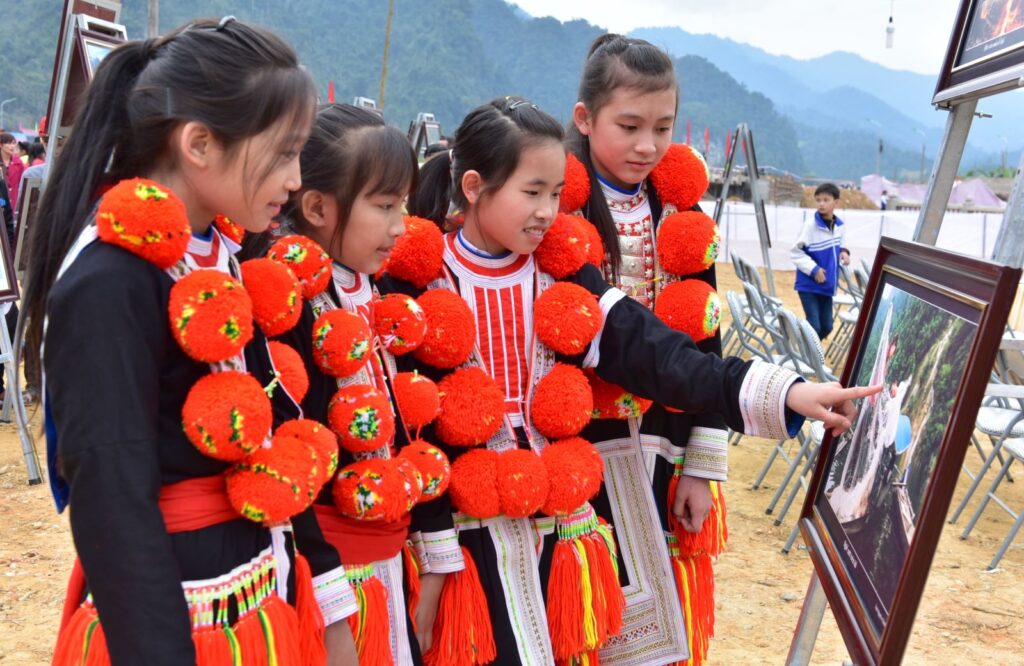
Moc Chau is home to diverse ethnic communities, including the Thai, H’Mong, and Dao. Each group contributes distinct traditions, clothing styles, and architectural forms. Villages are typically arranged along slopes or near water sources, with houses built to suit both climate and terrain.
Daily life revolves around farming, weaving, and family activities. Markets serve as important social spaces, where locals trade produce, textiles, and handmade tools. Visiting these villages offers more than observation; it provides context for understanding how geography, culture, and history intersect in the highlands.
Festivals held throughout the year reflect agricultural cycles and spiritual beliefs. While some events attract visitors, many remain intimate, preserving their original meaning for local communities.
Seasonal changes and the best time to visit
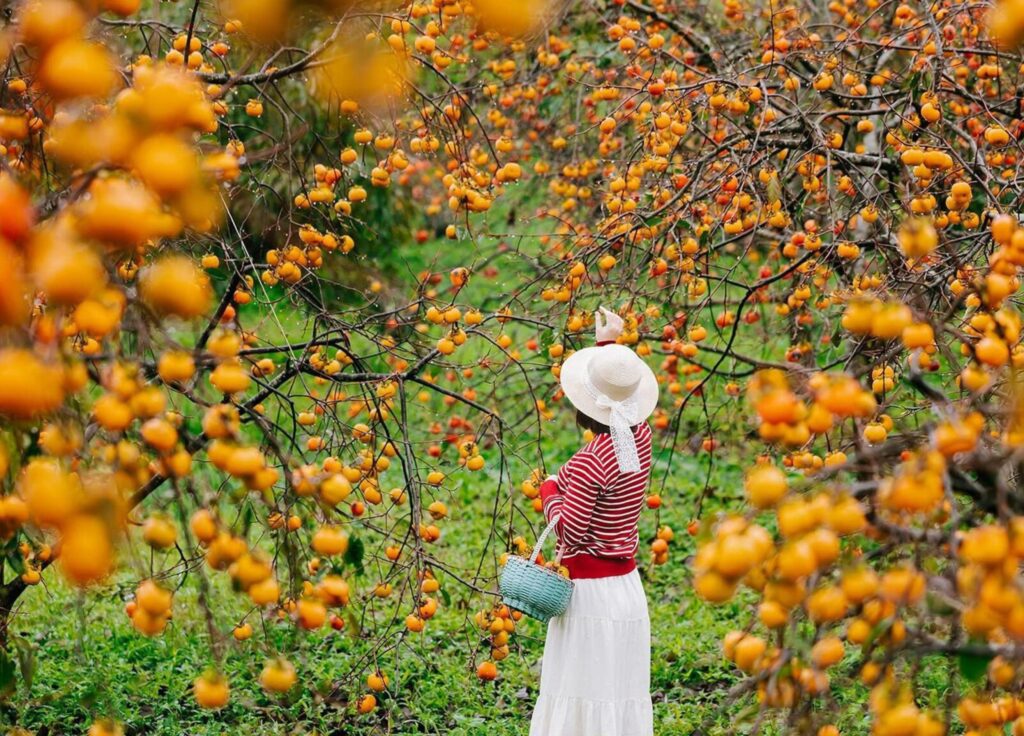
The plateau transforms dramatically with the seasons. Spring brings blooming plum and peach trees, covering hillsides in pale colors and drawing photographers from across the country. Summer maintains cool temperatures, making the area a popular retreat from lowland heat. Autumn offers clear skies and golden light, ideal for outdoor exploration. Winter introduces wildflowers and crisp air, occasionally accompanied by frost in higher areas.
Each season shapes travel experiences differently, influencing not only scenery but also food, festivals, and daily routines.
Local cuisine and mountain flavors
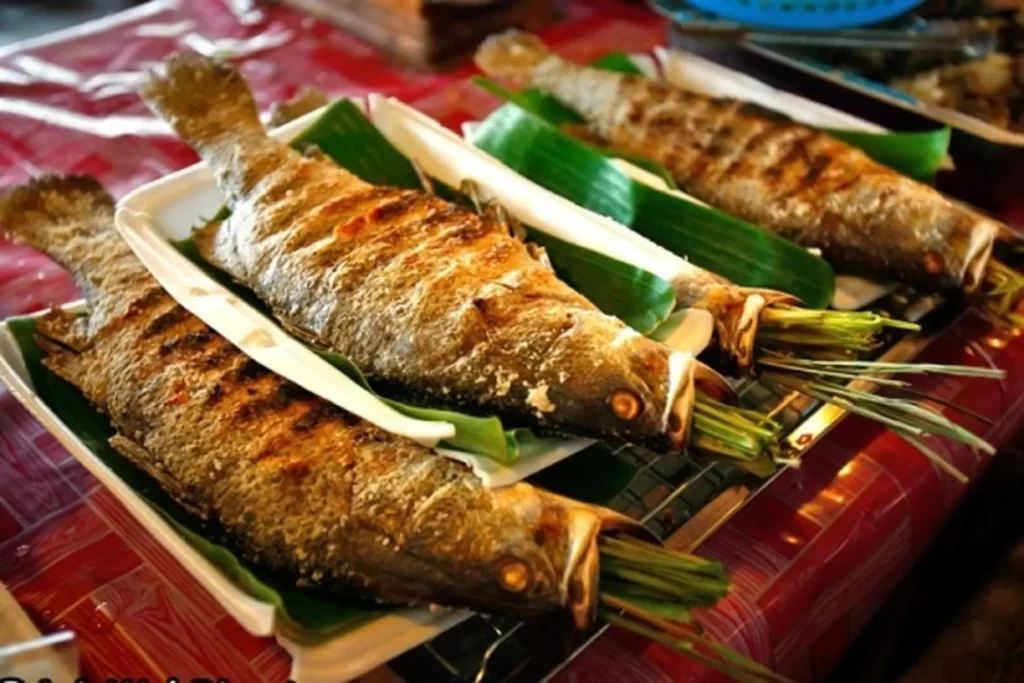
Food here reflects both the environment and cultural diversity. Meals often feature grilled meats, fresh greens, and herbs gathered from nearby forests. Dairy products stand out due to the region’s farming tradition, while tea remains a constant presence at the table.
Dining is typically simple but deeply satisfying, emphasizing freshness and balance rather than complexity. Sharing meals with local families, especially in homestays, adds cultural depth to the journey.
Accommodation and responsible travel
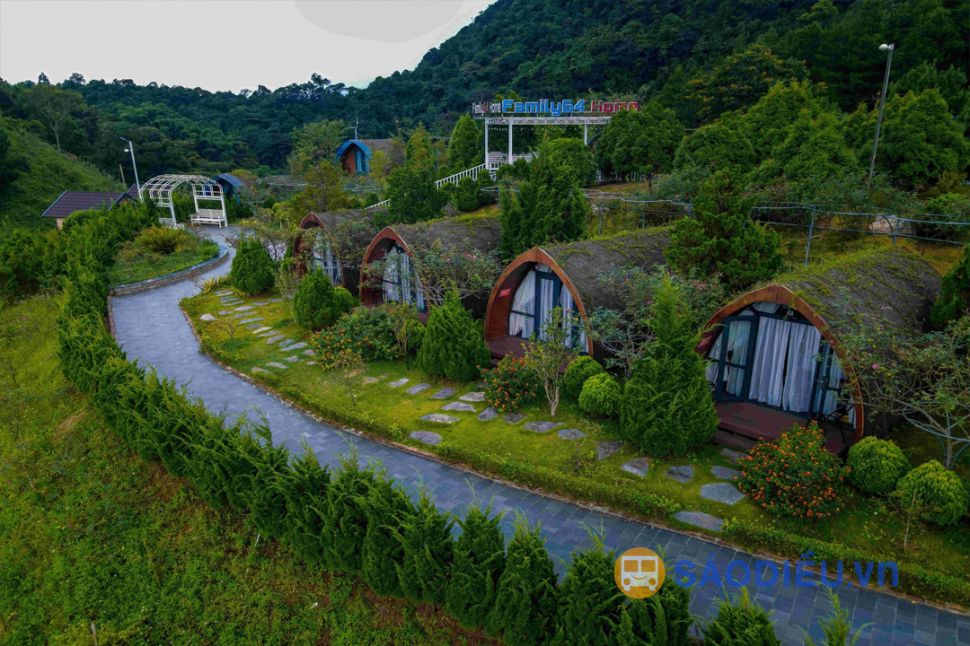
Accommodation options in Moc Chau range from traditional homestays to eco-lodges designed to blend with the landscape. Many places prioritize views, natural materials, and quiet surroundings, allowing guests to fully immerse themselves in the plateau’s atmosphere.
Responsible travel plays an important role in preserving the region’s character. Supporting local businesses, respecting village customs, and minimizing environmental impact help ensure that tourism benefits communities without disrupting their way of life.
Why Moc Chau feels different
What makes Moc Chau memorable is not a checklist of attractions, but a sense of space and calm that unfolds gradually. It is a destination where mornings stretch slowly, where conversations matter, and where nature remains the central presence. For travelers willing to move at its pace, the plateau offers something increasingly rare: room to breathe, observe, and truly experience the land.