Ha Giang Loop Travel Guide: Discover Northern Vietnam
Explore the ultimate guide to the Ha Giang loop, a scenic motorcycle journey in northern Vietnam that blends dramatic mountain landscapes, unique local culture, ideal seasons to travel, route choices, and essential planning tips for a safe and memorable experience.
1. What you need to know about the Ha Giang Loop
The Ha Giang loop is one of Vietnam’s most dramatic overland routes – a winding motorbike adventure through towering karst peaks, deep canyons, terraced fields and vibrant ethnic villages in the far north of the country. Stretching over 300 kilometres of mountain roads and passes, this journey stands out for its raw natural beauty and cultural richness, offering a sense of freedom few other trips in Southeast Asia can match.
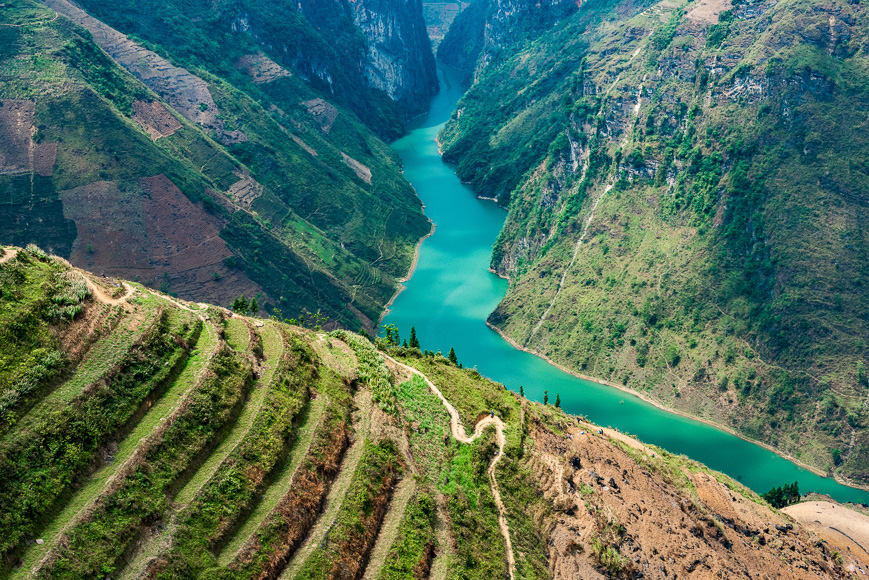
This experience on Ha Giang Loop draws travellers who love breathtaking landscapes and authentic encounters with local hill-tribe communities such as the H’mong, Dao, and Tay. Along the way, you’ll witness rice terraces shimmering golden before harvest, misty mountain peaks at dawn, and the turquoise ribbon of the Nho Que River cutting through the deepest canyon in Southeast Asia.
Most riders start and finish in Ha Giang City, making this loop a true circuit where each day brings fresh scenery and cultural discoveries. While many choose to do it on a rented motorbike, another popular option is to enjoy the route with a local guide who navigates the roads so you can focus on the view.
2. Best time to go and how to get there
Timing your trip carefully can make a huge difference in what you experience. The ideal seasons are typically from September to November and March to May, when the weather is clear, the views are sharp, and rain is less likely. Golden rice terraces appear after the summer rains, and cool, dry air makes riding enjoyable. Winters can be chilly with fog drifting through the passes, while summer often means heat and rain showers that make mountain roads slippery.
From Hanoi, reach the region by taking a sleeper bus or morning coach to Ha Giang City first – it’s about a 6-hour journey. Many travellers prefer overnight buses so they arrive rested and ready to begin riding early in the day.
3. How long should you spend on the Ha Giang loop?
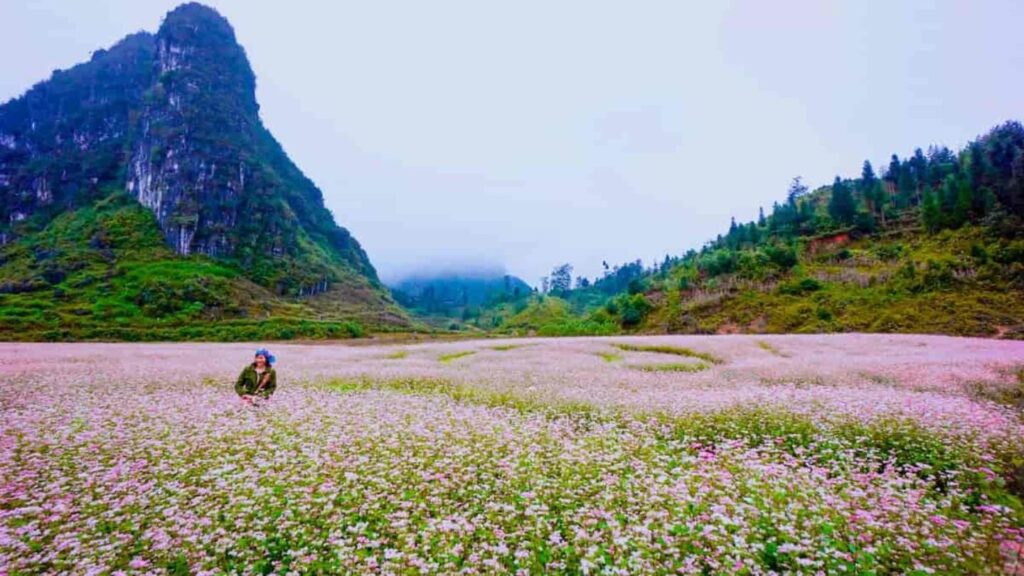
You can complete the route in three days, but most people recommend four to five days for a relaxed pace. Spreading the ride over more days means you’ll have time to stop for hikes, explore hidden waterfalls, enjoy a riverside campsite, and really absorb the local culture rather than constantly rushing from viewpoint to viewpoint.
Deciding how long to stay influences the type of itinerary you choose. A three-day journey hits all major highlights at a brisk pace, while longer versions might include off-the-beaten-path detours, additional villages, or more time to rest and appreciate quieter landscapes.
4. Suggested route and highlights
A typical adventure begins north out of Ha Giang City, riding up through rolling hills that quickly transform into rugged mountain landscapes. Your first major stop is often at Quan Ba Heaven’s Gate, a high lookout with sweeping views joining green valleys to craggy peaks. Near here lie the striking Twin Mountains, a natural duo of peaks surrounded by terraced rice fields.
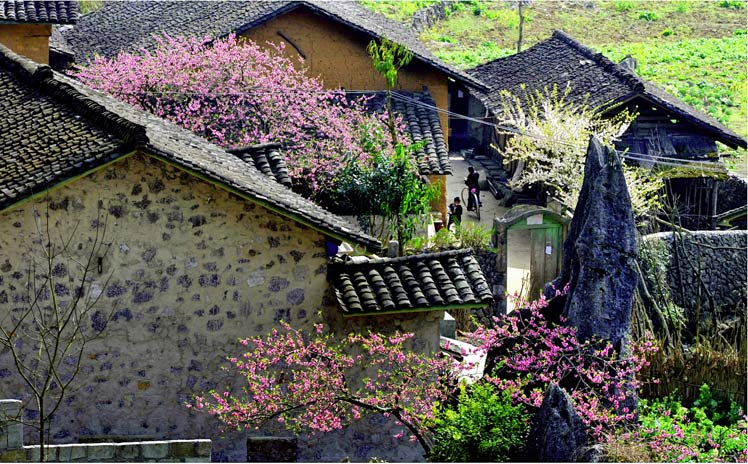
Continuing onward, you’ll arrive at the historic town of Dong Van. This is a lively place to wander cobblestone streets, meet locals at markets, and explore ancient stone homes that reflect a blend of traditional and colonial architecture. Not far from Dong Van, the Hmong King’s Palace stands as a fascinating testament to the region’s history, blending Chinese, French and ethnic design elements.
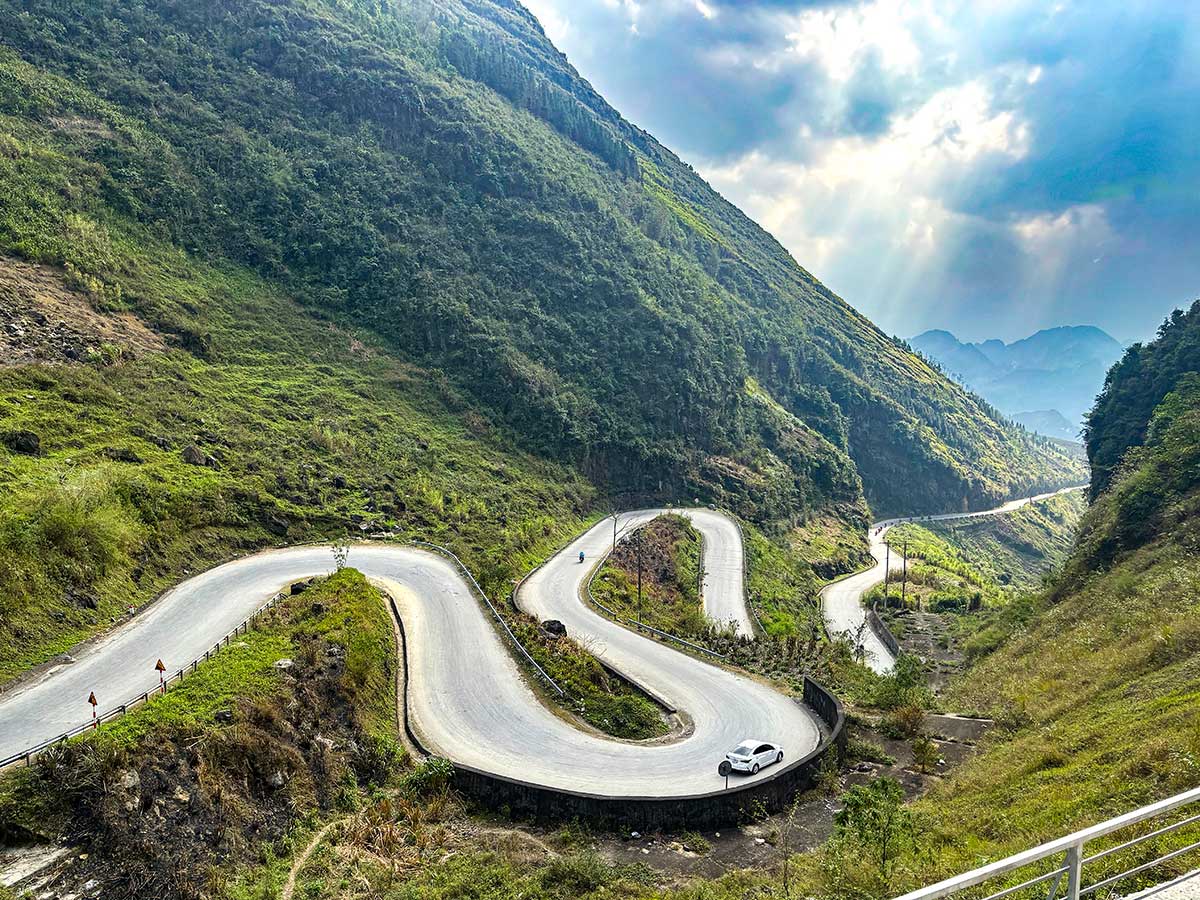
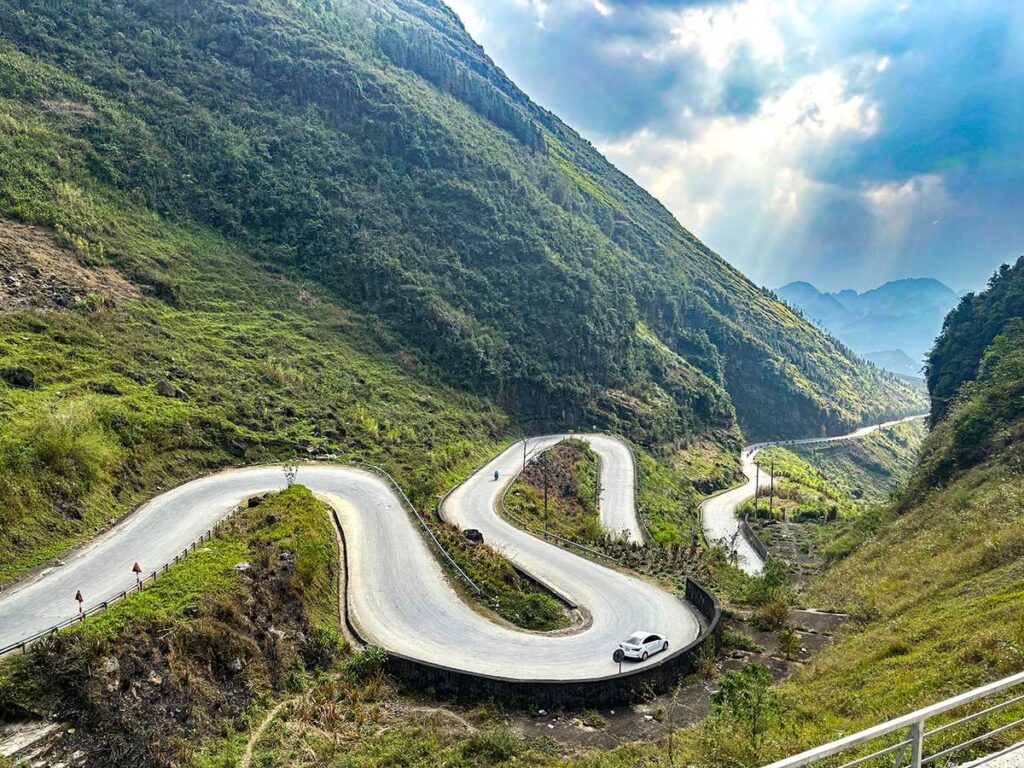
From here, one of the most unforgettable sections of the Ha Giang Loop lies ahead: Ma Pi Leng Pass. Often described as the “King of Passes,” this stretch of road clings to the mountain edge above the spectacular Nho Que River. The pass’s switchbacks and panoramas make it an essential part of the journey – take time here to pause and breathe in the scale of the canyon below.
Locations along the route offer many chances for short hikes, river activities like kayaking or boat trips, and secluded spots for sunset views. Many travellers also make time for local waterfalls and paths hidden deep in side valleys.
5. Accommodation, culture and practical tips
On the Ha Giang Loop, staying with local families at homestays gives deeper insight into the traditions of the highlands and often includes meals prepared with regional ingredients. Rooms can range from simple to quite comfortable, but what stands out most is the hospitality and chance to connect with hosts whose families have lived here for generations.
When planning gear and packing, bring layers due to changing temperatures through the mountains – mornings can be cool even if the midday sun is warm. Cash is useful since ATMs are limited along the way, and a basic day-pack with sunscreen, water, and camera essentials will make every stop easier.
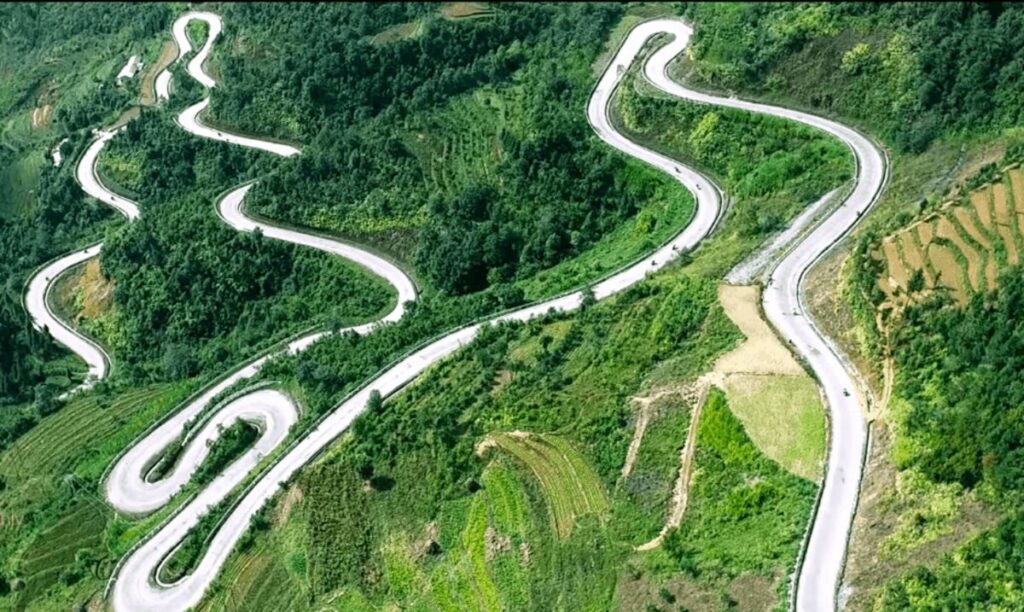
Safety wise, always ride with caution. Roads can vary from smooth pavement to rough, twisty stretches that demand steady concentration. Even experienced riders often choose to travel with a guide or as a passenger so they can fully enjoy the experience without worrying about tricky terrain.
Completing the Ha Giang loop is more than just a road trip through northern Vietnam; it is an immersion into landscapes and cultures that feel both timeless and untamed. From dramatic mountain passes and deep river gorges to quiet villages where daily life follows long-held traditions, every stretch of the journey offers a new perspective and a sense of discovery. The constantly changing scenery, combined with warm local hospitality, turns each day on the road into a story worth remembering.
Whether you ride independently or join a guided experience, this adventure rewards those who travel slowly, stay curious, and respect the land and its people. With thoughtful planning, the right timing, and an open mindset, the Ha Giang loop becomes a highlight of any Vietnam itinerary – a journey that lingers long after the final curve in the road and leaves travellers with a deeper connection to the country’s rugged northern frontier.