Fansipan: A Guide to Conquering the Roof of Indochina
Fansipan is the highest peak in Vietnam and a must-see landmark in Sapa. This detailed guide explores its natural beauty, spiritual sites, cable car experience, and why it deserves a place on every Vietnam itinerary.
1. The ultimate highlight of Sapa’s mountain landscape
Fansipan rises dramatically above the misty valleys of northwest Vietnam, standing as the highest mountain in the country and across the Indochina region. Located near the hill town of Sapa, this legendary peak has long captured the imagination of travelers, adventurers, and photographers. Today, reaching the summit of it is no longer limited to experienced trekkers, making this iconic destination accessible to visitors of all ages.
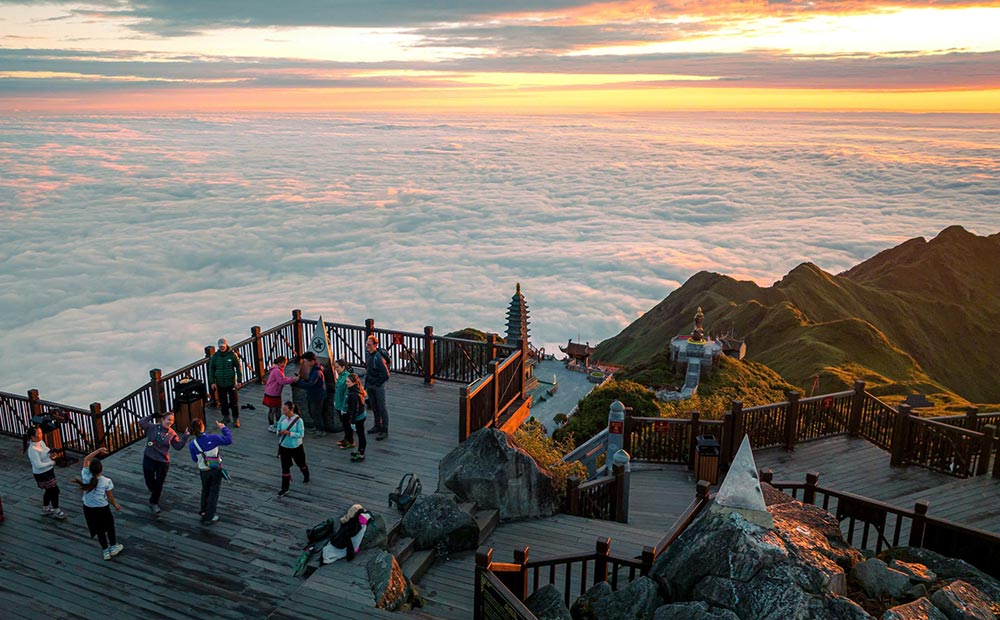
Beyond its impressive elevation, Fansipan offers a rare blend of untouched nature, cultural symbolism, and modern engineering. From sea-like clouds drifting over jagged ridges to sacred temples perched near the summit, the journey to the top is as memorable as the destination itself.
2. Reaching Fansipan: From challenging trek to scenic cable car
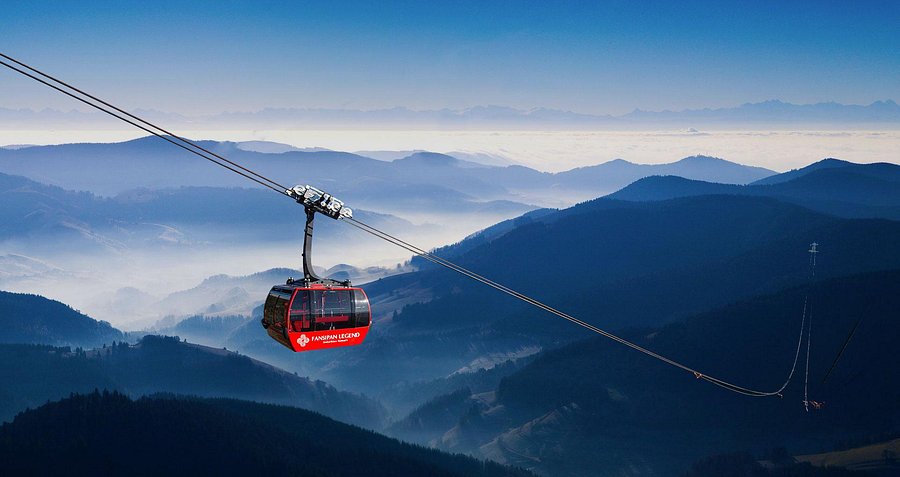
For decades, conquering Fansipan meant days of trekking through dense forests, steep slopes, and unpredictable weather. While trekking routes still exist for adventure seekers, most visitors now reach it via one of the world’s longest and highest cable car systems.
The cable car journey begins in the Muong Hoa Valley, gliding smoothly above terraced rice fields, waterfalls, and deep ravines. As the cabin ascends, the scenery transforms rapidly, with thick forests giving way to rocky cliffs and rolling clouds. The ride itself feels like a sightseeing experience, offering sweeping views that are impossible to capture from the ground.
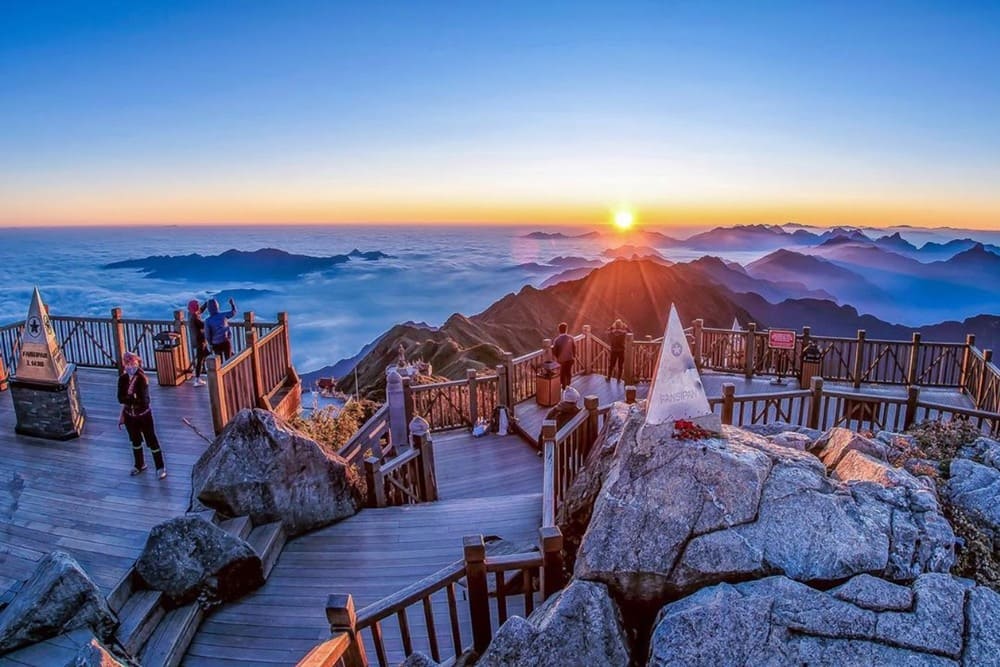
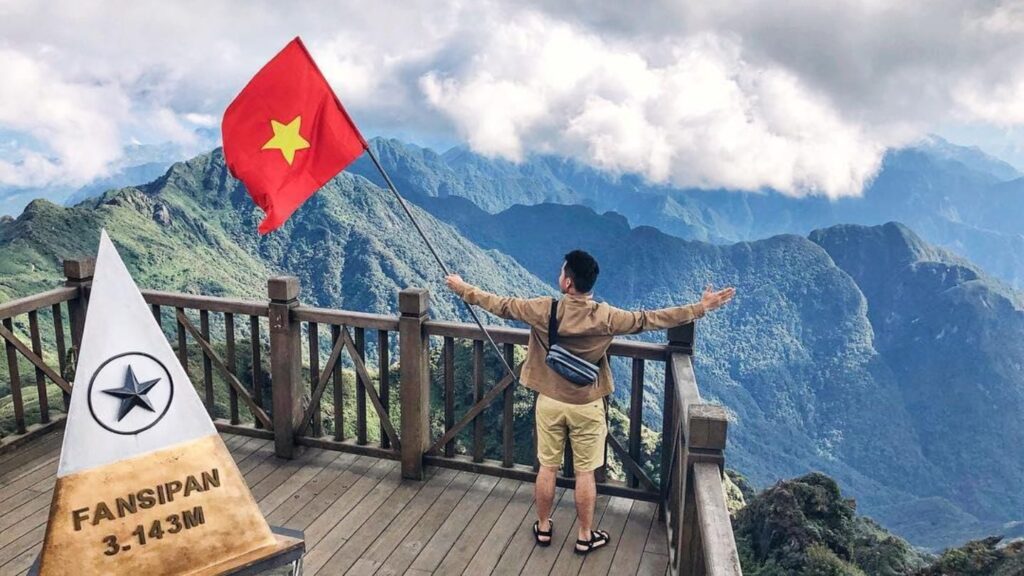
Upon arrival at the upper station, visitors continue on foot or by funicular railway to reach the Fansipan summit marker. This final stretch reveals a dramatic landscape where mountain air, prayer flags, and panoramic views combine to create a powerful sense of achievement.
3. A sacred mountain: Spiritual landmarks on the summit
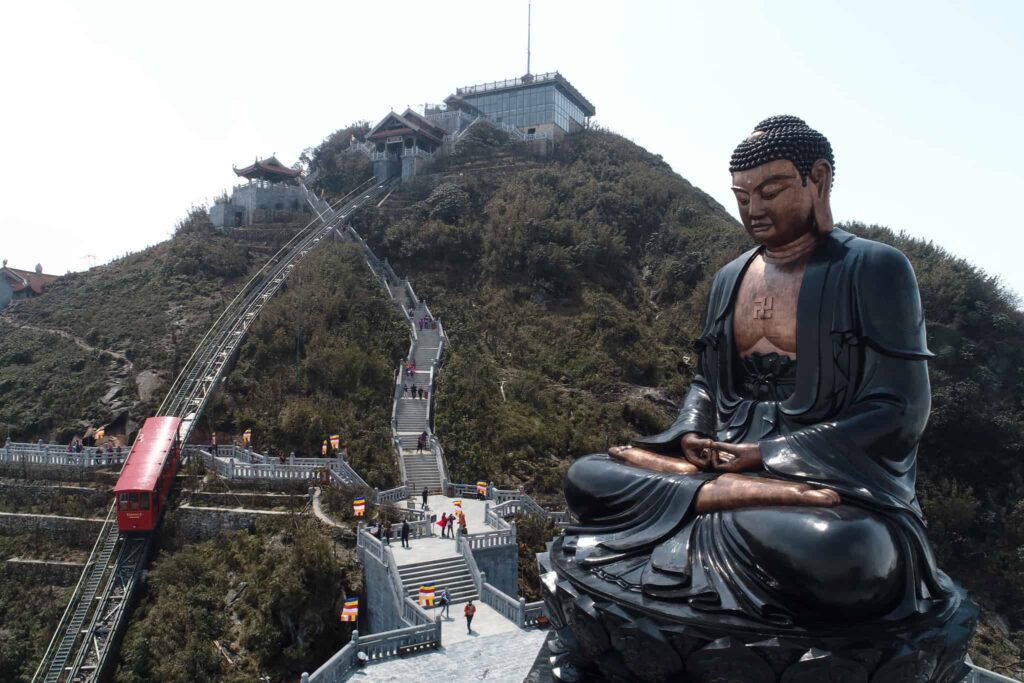
What makes the peak truly distinctive is Fansipan’s spiritual atmosphere. Near the summit lies an expansive complex of Buddhist architecture, harmoniously built into the mountainside. Stone stairways lead past towering statues, prayer halls, and pagodas that overlook endless layers of mountains fading into the horizon.
The Great Buddha statue is one of the most striking features on Fansipan, standing solemnly against the backdrop of swirling mist. Nearby, ancient-style pagodas and arched gates reflect traditional Vietnamese and Himalayan-inspired design. These structures are not only visually impressive but also offer quiet spaces for reflection, making the visit meaningful even for those with no religious background.
Early mornings and late afternoons are particularly atmospheric, when clouds drift between buildings and bells echo softly across the slopes.
4. Nature at its most dramatic
The mountain sits within the Hoang Lien Son range, an area known for rich biodiversity and ever-changing weather. One moment the Fansipan summit may be bathed in sunshine, while the next it disappears behind a curtain of cloud. This unpredictable climate adds to the sense of wonder and ensures that no two visits feel the same.
In spring, blooming rhododendrons color the mountainsides with shades of red, pink, and white. Summer brings lush greenery and clearer views after rainfall, while autumn offers crisp air and golden light. During winter, frost and occasional snowfall transform Fansipan into a rare alpine scene in tropical Southeast Asia.
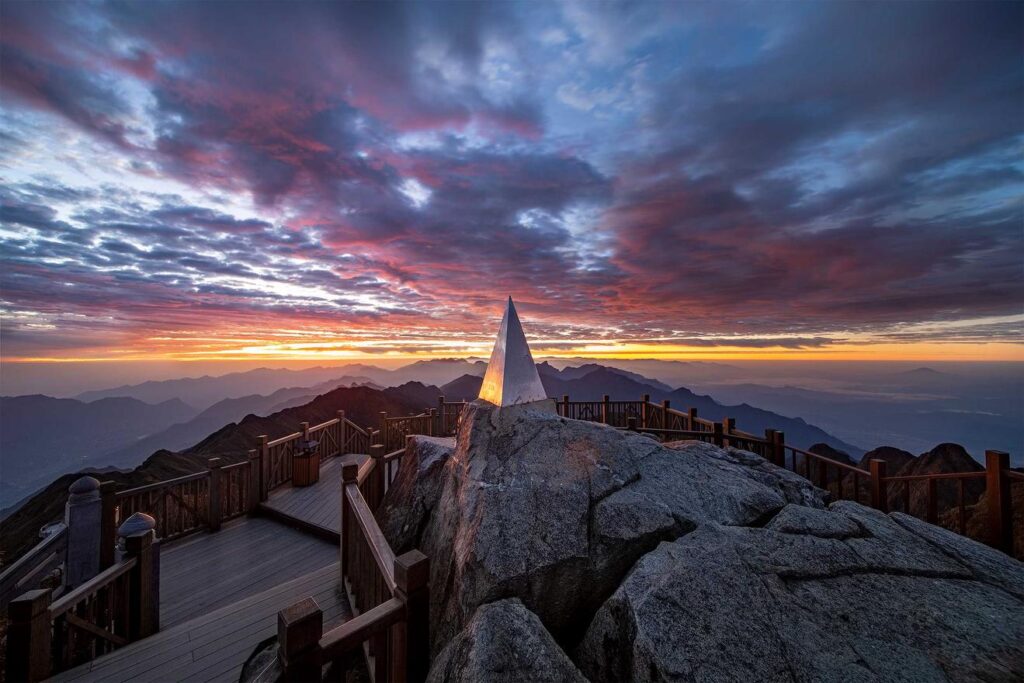
For photographers, Fansipan is a dream location, particularly during sunrise and sunset when light and cloud layers create dramatic contrasts.
5. Best time to visit
The most favorable months to visit Fansipan are from March to May and from September to November. During these periods, temperatures are mild, skies are clearer, and visibility from the summit is at its best. Spring also coincides with flower season, while autumn is known for stable weather and golden rice terraces in the valleys below.
Summer months can be rainy, leading to foggy conditions, although the landscapes remain vibrant. Winter visits are colder and often cloudy, but those who enjoy misty, mysterious scenery on Fansipan may find this season especially appealing.
6. Practical tips for a smooth experience
Although reaching the summit is now relatively easy, the altitude and cooler temperatures on Fansipan can still surprise first-time visitors. Wearing warm layers is essential, even in warmer months, as temperatures drop significantly near the top. Comfortable walking shoes are recommended due to the stone steps and uneven paths around its summit area.
Allow enough time to explore rather than rushing through the experience. Many travelers focus solely on reaching the peak marker, but the surrounding viewpoints, temples, and scenic paths are equally rewarding.
Visiting early in the morning increases the chance of clear views and helps avoid crowds, especially during peak travel seasons.Few destinations in Vietnam offer such a powerful combination of natural grandeur, cultural depth, and accessibility, and Fansipan stands as a defining example. The journey reveals Vietnam’s mountain landscapes while blending spiritual traditions with modern innovation. Whether you seek breathtaking views, a symbolic achievement, or a quiet escape above the clouds, Fansipan leaves a lasting impression long after you depart Sapa, explaining why it continues to inspire generations of travelers.