
Co To Island Travel Guide: The Untouched Jewel of Vietnam
This in-depth guide to Co To island reveals one of Vietnam’s most untouched coastal destinations. From pristine beaches and island hopping to local culture, cuisine, and travel tips, discover why this remote archipelago is perfect for travellers seeking peace and natural beauty.
An overview of Co To Island – a hidden island escape
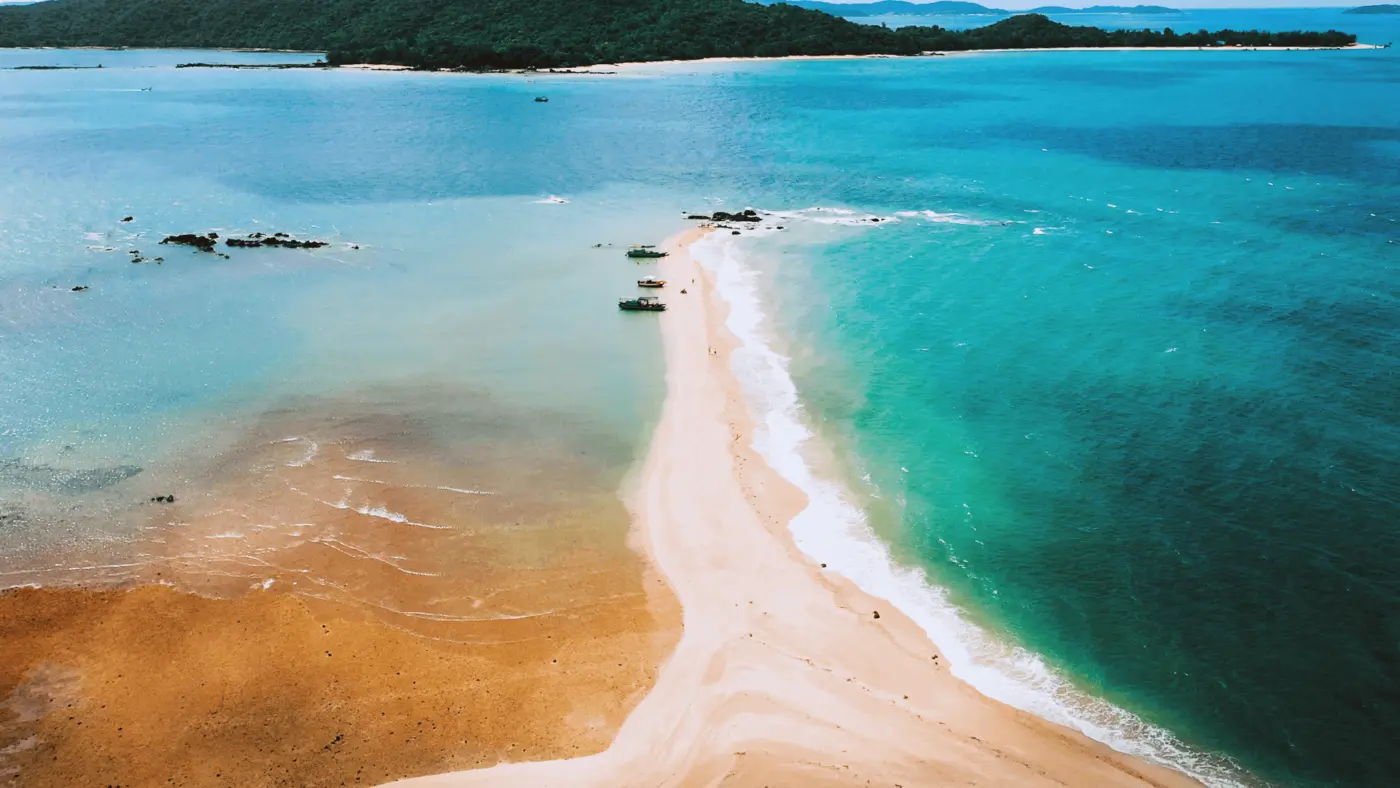
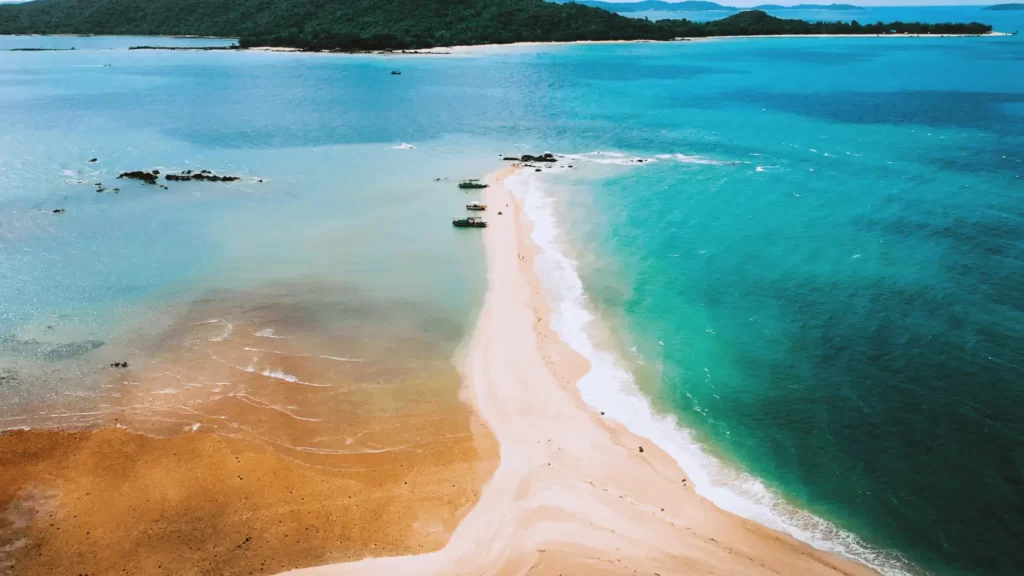
Located in the northeastern waters of Quang Ninh Province, Co To island is an archipelago of dozens of small islands scattered across the Gulf of Tonkin. While nearby Halong Bay attracts global attention, this island destination remains refreshingly low-key, offering visitors a slower pace of life shaped by the sea, forests, and traditional fishing culture. The main island is home to most of the population and infrastructure, while surrounding islets remain largely untouched, preserving an atmosphere of raw, coastal wilderness.
What makes this destination stand out is its balance. Visitors can enjoy modern comforts such as seaside hotels and cafés while still experiencing clear waters, unspoiled beaches, and quiet forest paths. The island’s compact size makes it easy to explore, yet its diverse landscapes ensure that each day feels different.
Exploring Co To Island: geography, nature, and atmosphere
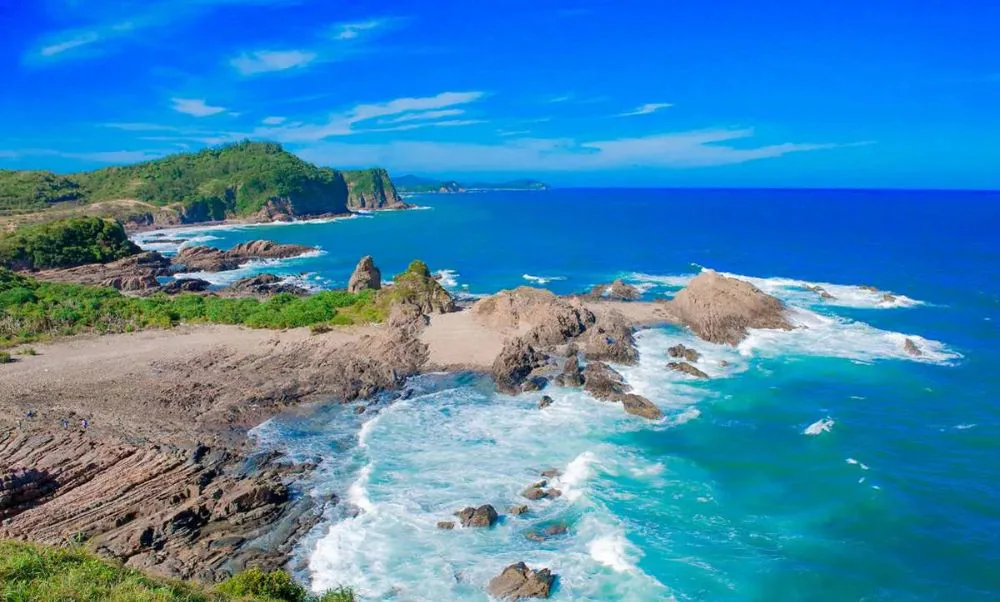
The geography of Co To island is defined by long stretches of white sand, rocky headlands, and gently sloping hills covered in casuarina trees and native forest. The coastline shifts constantly in character, from calm, shallow bays ideal for swimming to dramatic rocky reefs where waves crash against layered stone formations. Inland areas are green and lightly developed, allowing visitors to experience nature without travelling far from the sea.
Unlike more commercial islands in southern Vietnam, the atmosphere here remains peaceful even during peak travel months. Early mornings are marked by fishing boats returning to shore, while evenings bring quiet seaside walks and fresh seafood dinners rather than nightlife crowds. This makes the island particularly appealing to travellers looking for rest, reflection, and scenic beauty rather than entertainment.
Best time to visit Co To Island
Weather plays a crucial role in planning a trip to Co To island, as sea conditions affect ferry schedules and outdoor activities. The most favourable time to visit generally falls between April and May, and again from September to October. During these periods, the weather is warm, skies are clearer, and the sea is calm enough for swimming, boating, and island hopping.
Summer months bring higher temperatures and stronger sunlight, which is perfect for beach activities but may also coincide with occasional storms. Winter, while cooler and less humid, can see rougher seas and limited boat services. Choosing the right season ensures smoother travel and a more enjoyable experience overall.
How to get there and travel around
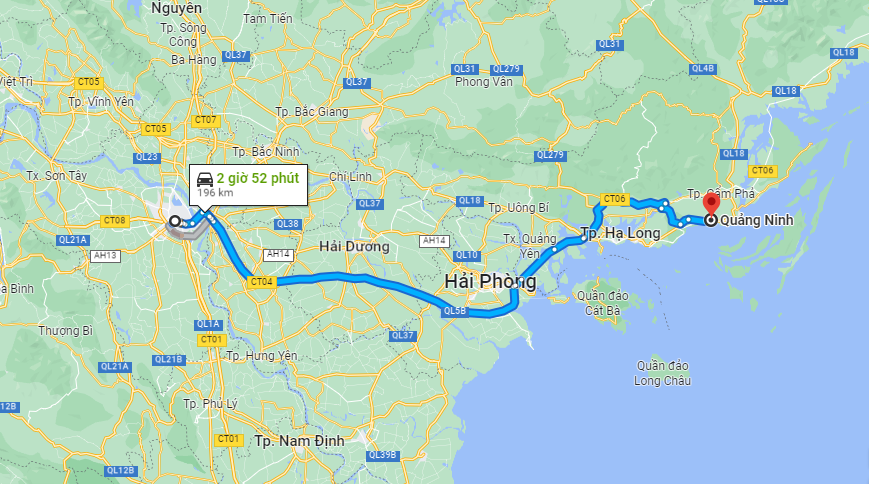
Reaching Co To island requires a journey by both land and sea, which adds to its sense of remoteness. Travellers typically start from Hanoi and travel east to Quang Ninh Province, heading to ports such as Cai Rong or Van Don. From there, high-speed ferries connect the mainland to the island, offering scenic views of the surrounding waters and islets along the way.
Once on the island, getting around is simple and flexible. Visitors can rent motorbikes, bicycles, or use electric shuttle cars to explore beaches, viewpoints, and villages. Distances are short, making it easy to move between attractions without rushing.
Beaches that define the island experience
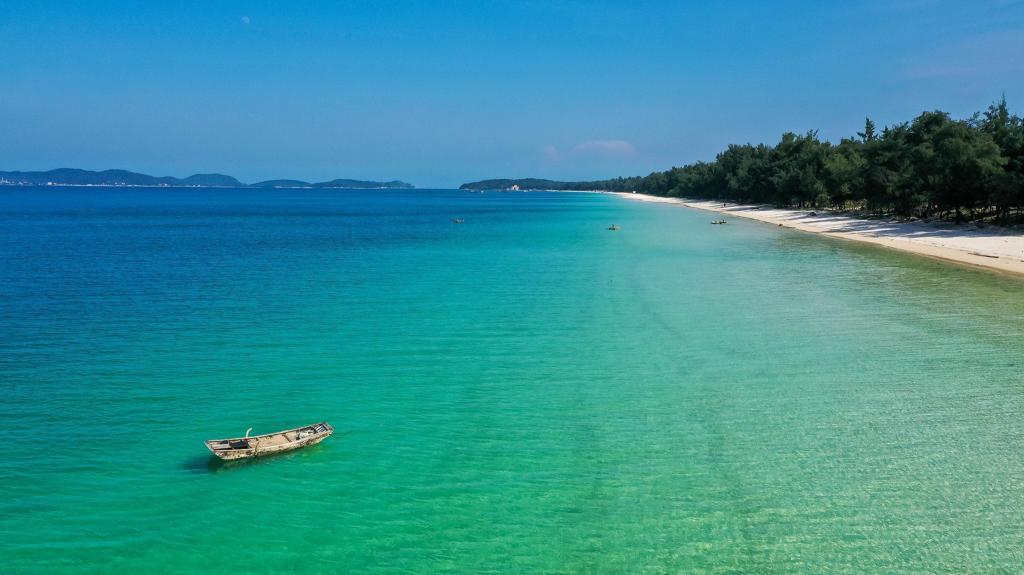
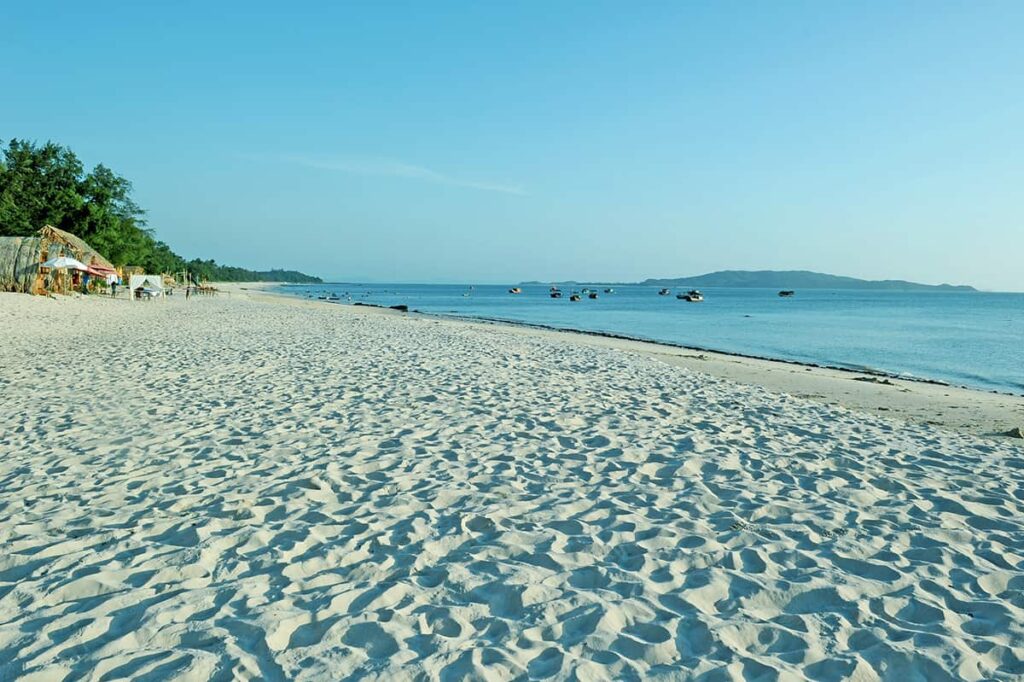
The beaches are the heart of Co To island, each offering a slightly different mood and landscape. Some are known for their gentle waves and calm waters, ideal for swimming and relaxing, while others are more open and dramatic, attracting visitors who enjoy coastal scenery and photography. The sand is soft and pale, contrasting beautifully with the blue and green tones of the sea.
Because development remains limited, many beaches still feel quiet even during busy seasons. It is common to find long stretches of shoreline where only a handful of visitors are present, creating a sense of privacy that is increasingly rare in popular beach destinations.
Island hopping and untouched islets
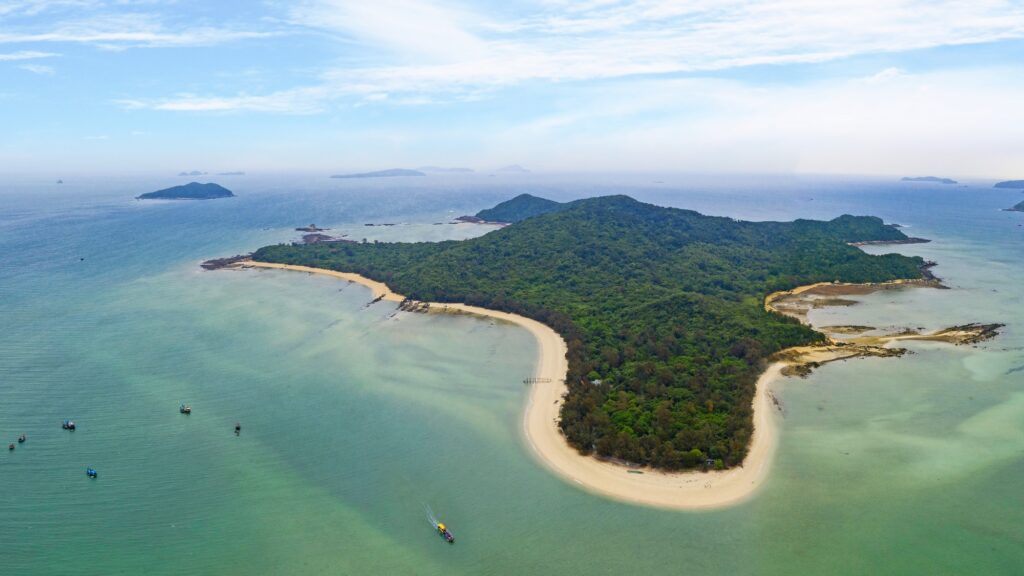
Beyond the main island, nearby islets add another layer to the travel experience. Short boat trips allow visitors to reach smaller islands where human presence is minimal. These places are ideal for swimming in clear waters, relaxing on empty beaches, and enjoying uninterrupted views of the sea.
Some of these islets feature shallow coral areas suitable for light snorkelling, while others are best appreciated simply for their silence and scenery. Island hopping tours are typically arranged locally and can be customised depending on weather and interests.
Cultural landmarks and scenic viewpoints
Cultural and historical sites offer insight into the island’s identity. One of the most notable landmarks is the lighthouse, positioned on elevated ground and offering panoramic views across the archipelago. From the top, visitors can see fishing villages, forested hills, and distant islands scattered across the horizon.
In the town centre, monuments and communal spaces reflect the island’s historical significance and strong sense of community. These places are not crowded tourist attractions but rather everyday spaces that reveal local life and history in a subtle, authentic way.
Local food and seafood traditions
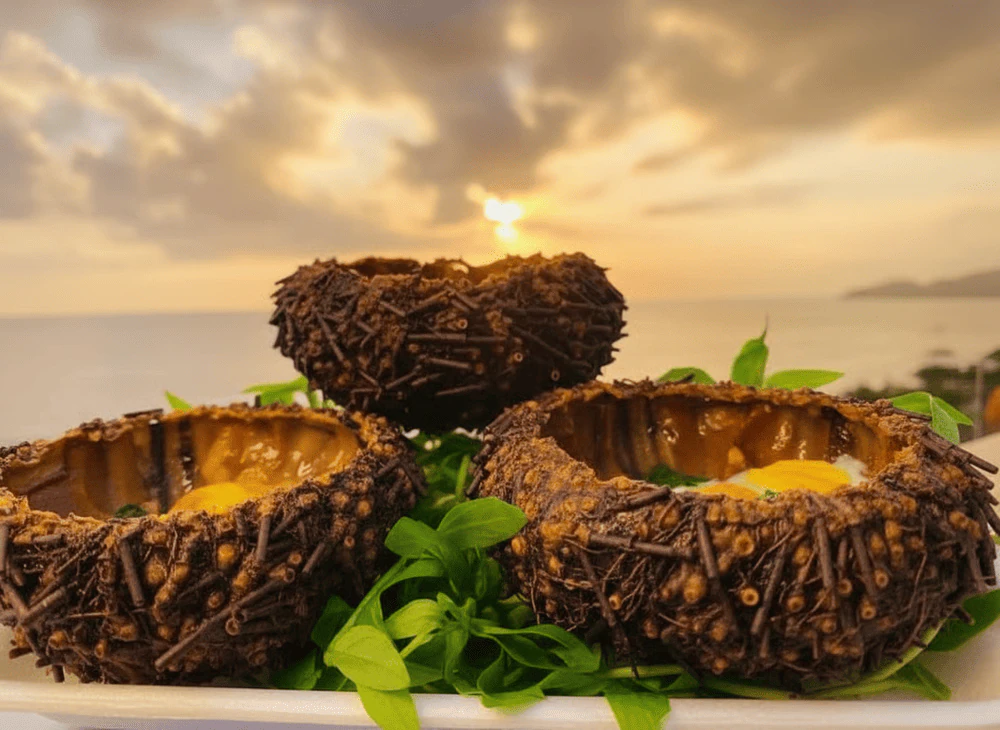
Cuisine is an essential part of experiencing Co To island, with seafood forming the backbone of most meals. Thanks to the surrounding waters, ingredients are exceptionally fresh and prepared simply to highlight their natural flavours. Grilled squid, steamed shellfish, and seafood hotpots are common dishes, often enjoyed with views of the sea.
Local markets provide a glimpse into daily island life, especially in the early morning when fishermen bring in their catch. Many small restaurants source ingredients directly from these markets, ensuring freshness and supporting the local economy.
Walking trails and slow travel moments
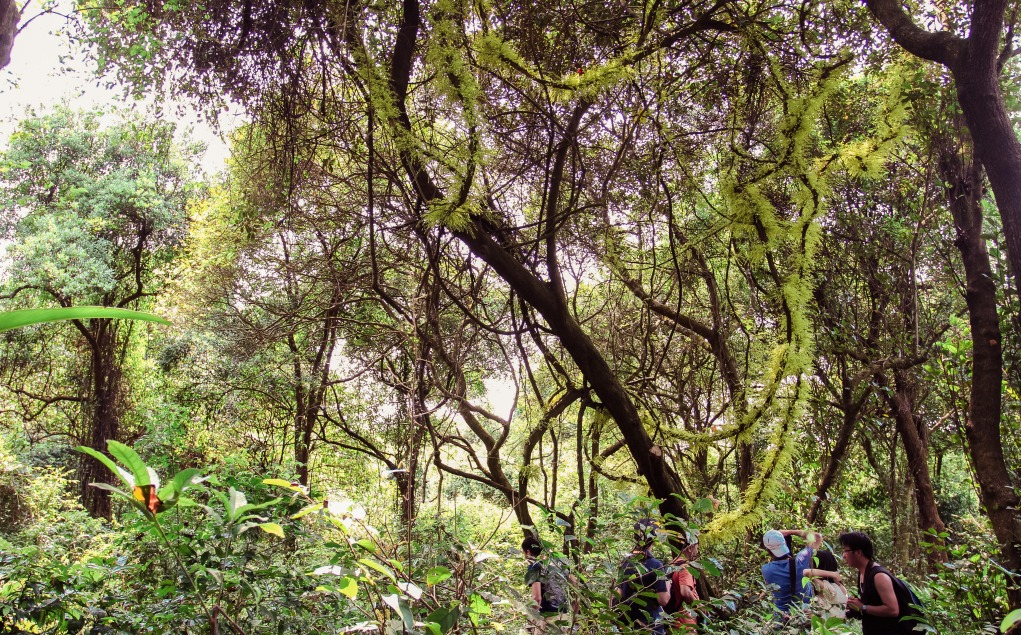
One of the most memorable experiences on the island is simply slowing down. Tree-lined coastal roads and shaded walking paths invite visitors to explore on foot, especially in the early morning or late afternoon. These walks offer opportunities to observe local routines, enjoy sea breezes, and appreciate the island’s natural rhythms.
Forest paths reveal native vegetation and medicinal plants, while quiet beaches provide space for reflection and photography. The island encourages a style of travel that values presence over packed itineraries.For travellers seeking an alternative to Vietnam’s more famous coastal destinations, Co To island offers something increasingly rare: space, silence, and sincerity. It is a place where nature still leads, tourism remains respectful, and visitors are welcomed into a way of life shaped by the sea. Whether you are planning a short escape or a longer coastal retreat, this island rewards those who take the time to explore slowly, eat locally, and embrace its calm, unspoiled charm.