14 Essential Insights for Cao Bang Travel
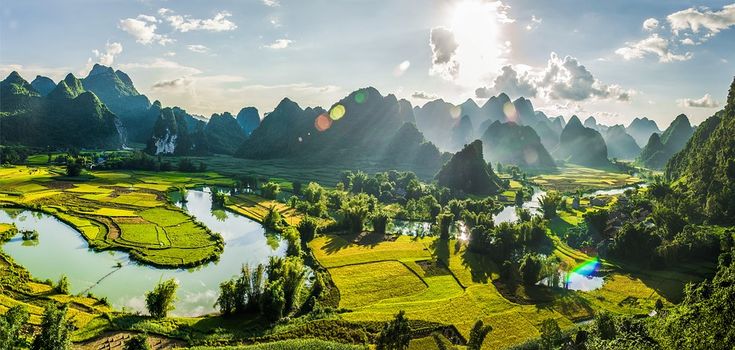
Cao Bang is a remote northern province of Vietnam near the Chinese border, known for limestone mountains, clear rivers, and rich ethnic cultures. With unspoiled nature, historical sites, and a slow rural pace, this guide to Cao Bang travel helps visitors plan routes, timing, attractions, and responsible exploration.
1. General overview of Cao Bang
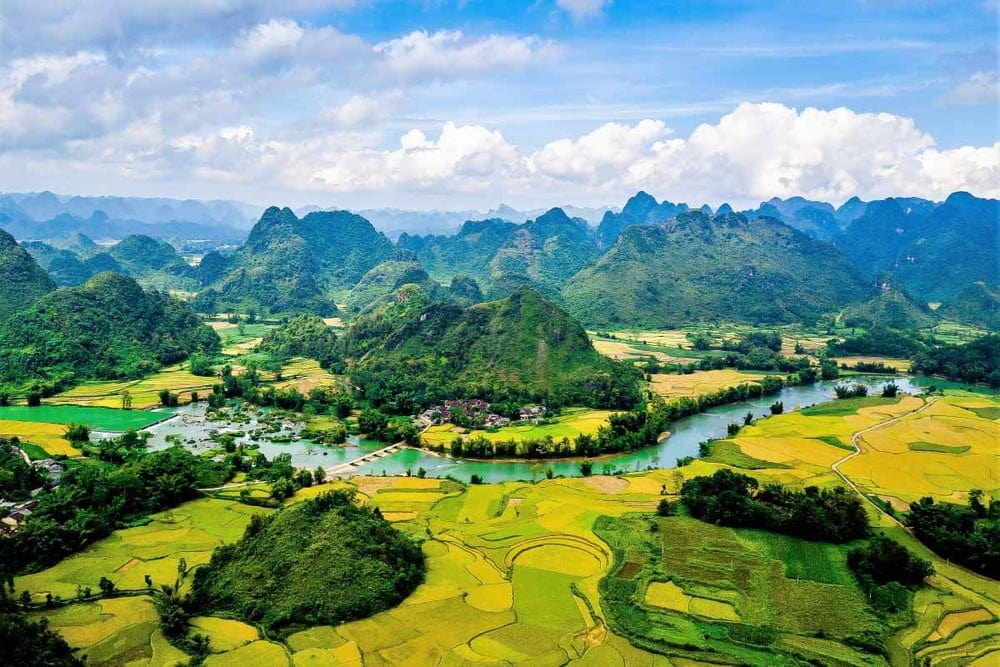
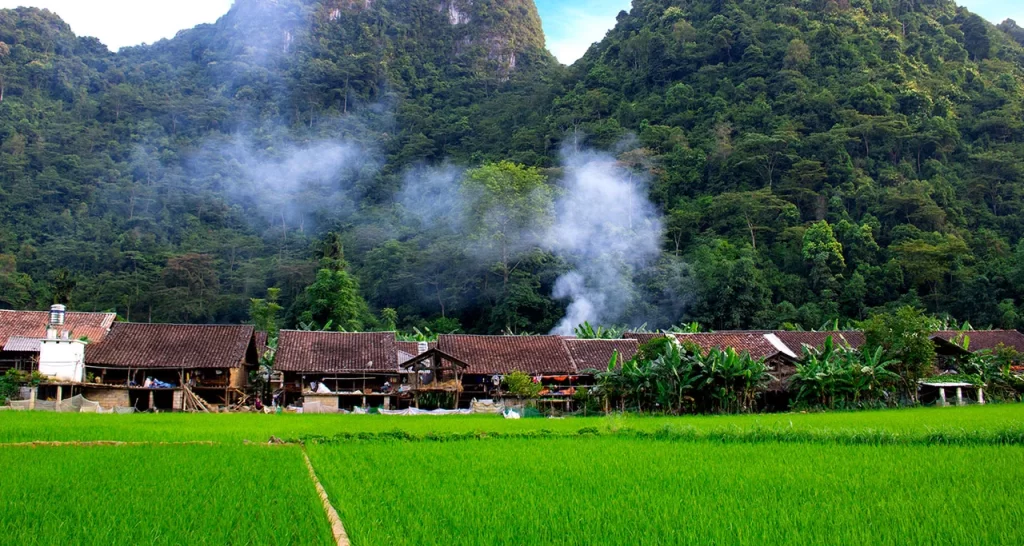
Cao Bang belongs to Vietnam’s Northeast region and is characterized by rugged terrain dominated by karst formations and forested mountains. The province is home to many ethnic minority groups such as the Tay, Nung, Dao, and Mong. Their traditions, architecture, clothing, and cuisine play a major role in everyday life and create a strong cultural identity that visitors can easily observe through local markets and villages.
2. Best time to visit Cao Bang
Cao Bang has a humid subtropical climate with clear seasonal differences. From October to May, the weather is generally cool and dry, making it the most comfortable period for sightseeing, hiking, and road travel. Visibility is good and temperatures are pleasant, especially during autumn months.
From June to September, rainfall increases and landscapes become greener and more dramatic. Waterfalls reach their most powerful state, although travel can be slower due to wet mountain roads. During winter months from December to January, temperatures can drop sharply at night, especially in high-altitude areas, creating misty and quiet scenery with fewer tourists.
3. How to get to Cao Bang
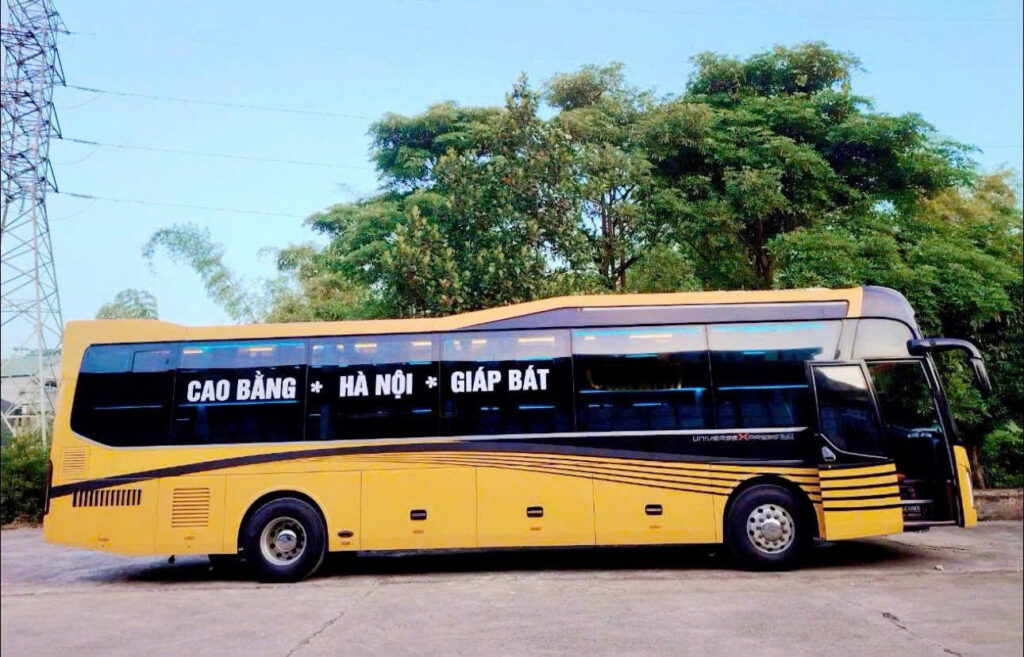
The journey from Hanoi to Cao Bang covers roughly 280 kilometers and usually takes six to seven hours by road. Most travelers choose sleeper buses or limousine vans departing from major bus stations in Hanoi. Private cars are also an option for those who prefer flexibility.
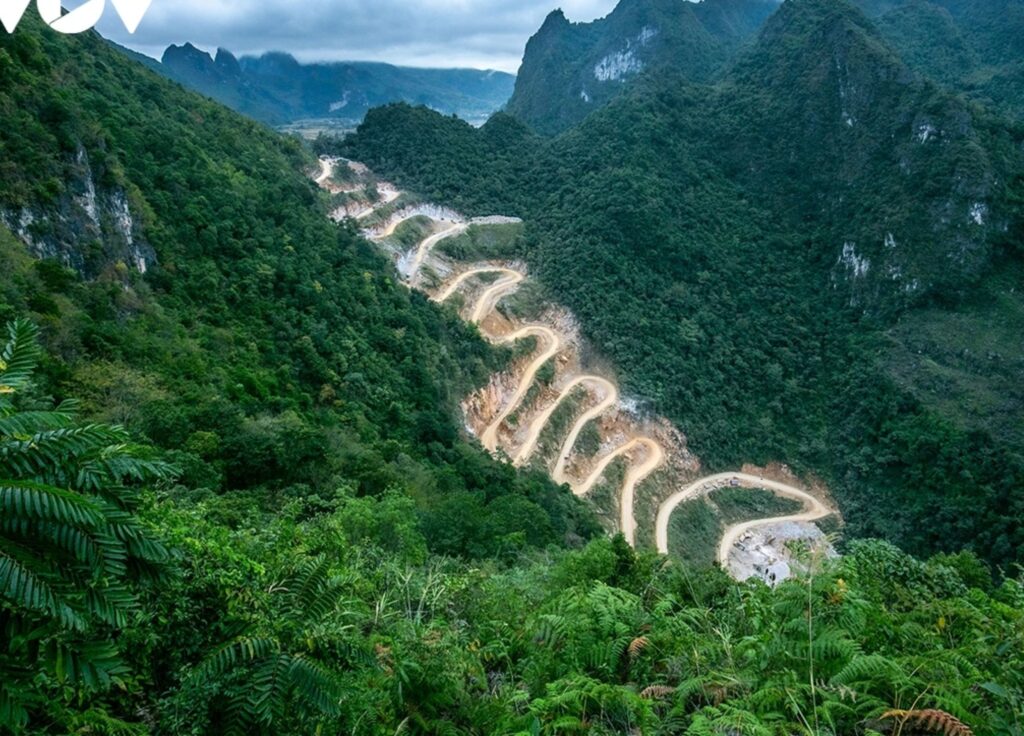
Once in the province, local travel is best done by motorbike for experienced riders or by car and taxi for those less comfortable with mountain roads. Many attractions are spread out and require driving through winding passes, so planning routes in advance is essential.
4. Where to stay in Cao Bang
Cao Bang City is the most convenient base, offering a range of hotels and guesthouses with easy access to food and transport services. For travelers seeking nature and quiet surroundings, staying near Ban Gioc Waterfall or in Trung Khanh District provides a more immersive experience through homestays operated by local families.
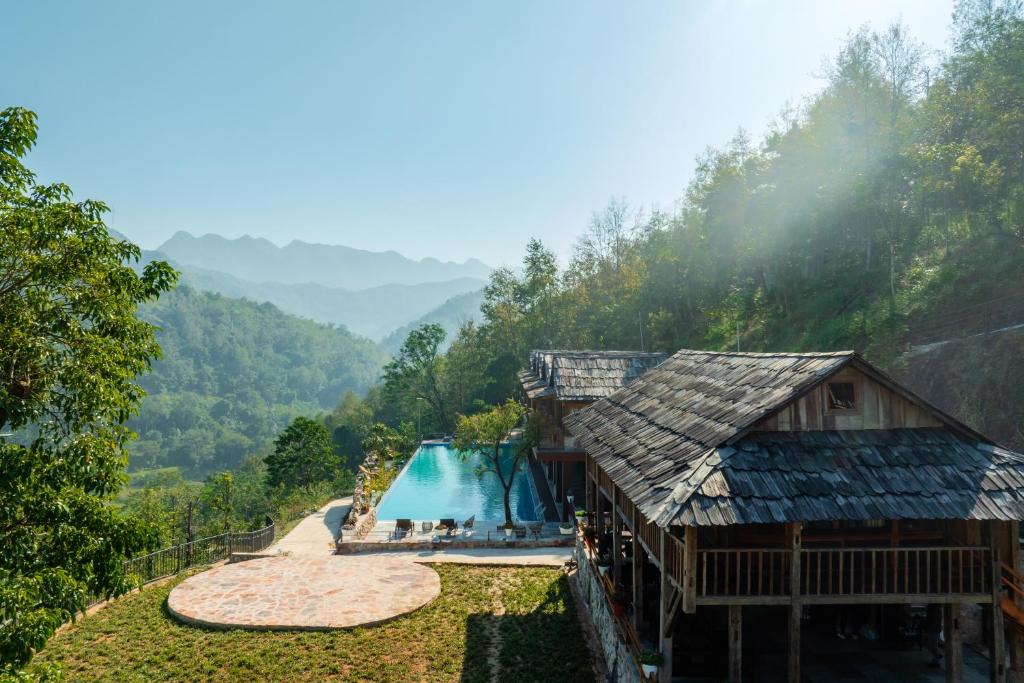
A small number of eco-lodges and resorts have emerged in recent years, focusing on landscape views and sustainability. These options are limited but suitable for travelers looking for comfort and privacy.
5. Ban Gioc waterfall
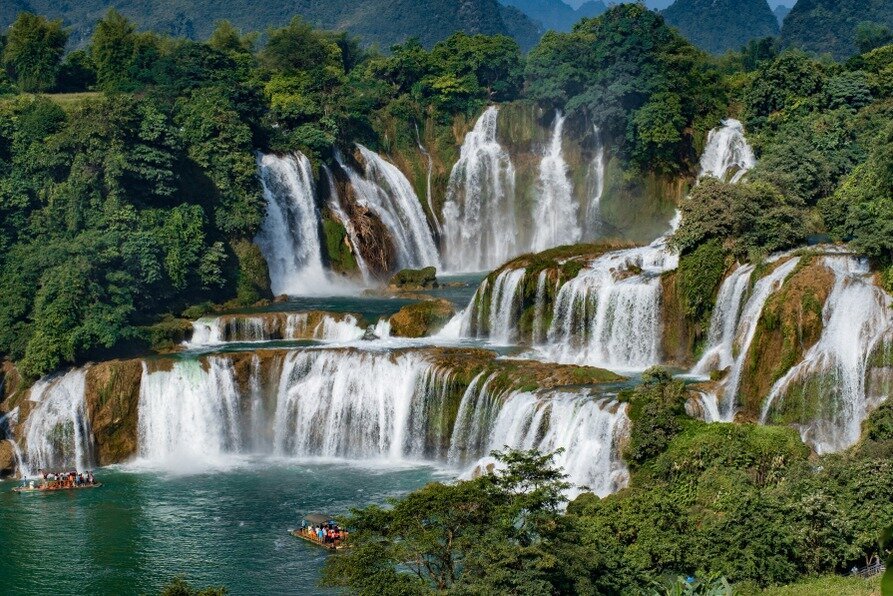
Ban Gioc is the most famous natural landmark in the province and one of the largest waterfalls in Southeast Asia. The waterfall lies directly on the border between Vietnam and China and consists of multiple cascading tiers surrounded by rice fields and limestone peaks. Visitors can walk along viewing platforms or take small bamboo rafts closer to the falling water. Early morning visits offer the best light and a quieter atmosphere.
6. Nguom Ngao cave
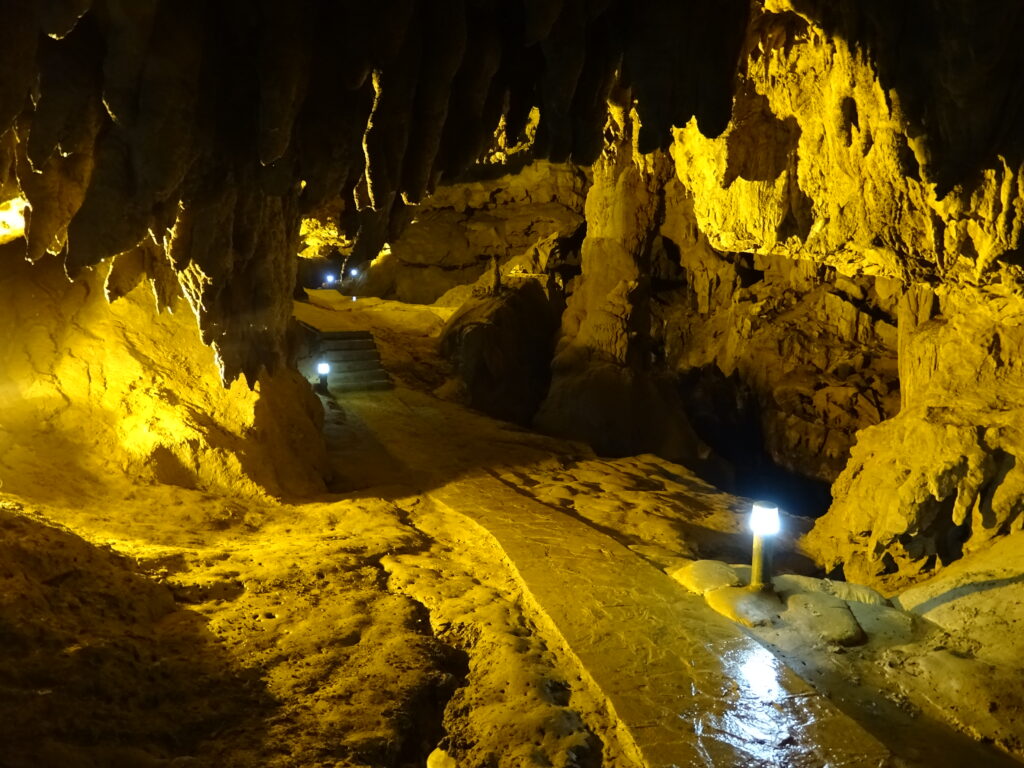
Located a short distance from Ban Gioc, Nguom Ngao Cave is a vast limestone cave system shaped over millions of years. Inside the cave, visitors can walk along designated paths and observe impressive stalactites and stalagmites illuminated by subtle lighting. The cave maintains a cool temperature year-round and is suitable for most travelers.
7. Thang Hen lake area
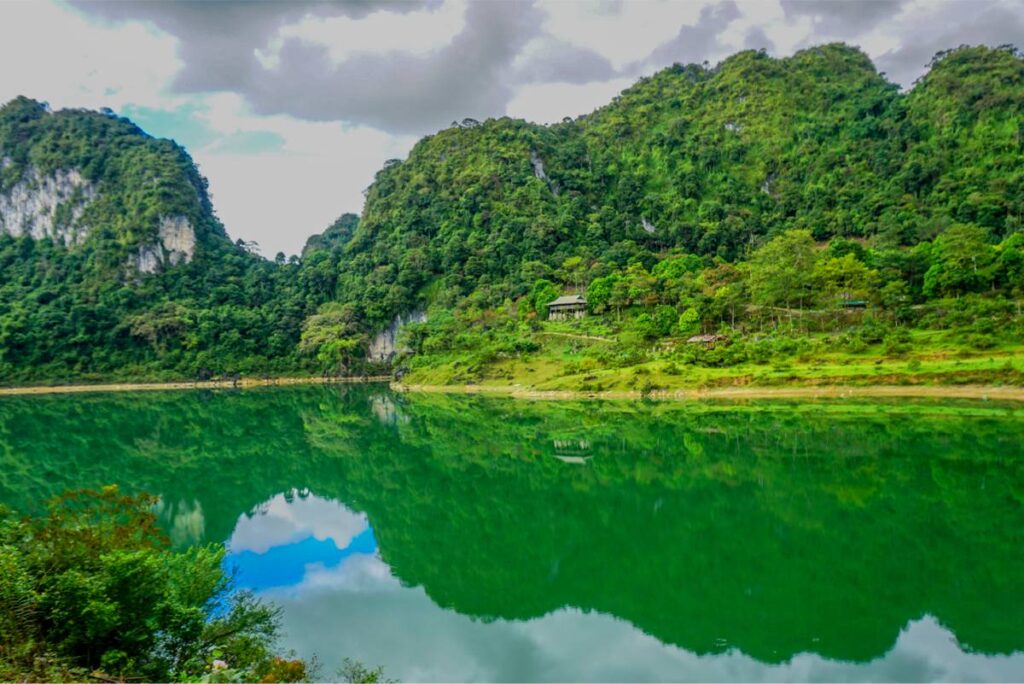
Thang Hen is a group of mountain lakes connected through underground channels. Water levels change depending on the season, creating different visual impressions throughout the year. The surrounding landscape is peaceful and ideal for photography, short walks, and quiet reflection.
8. Non Nuoc Cao Bang UNESCO Global geopark
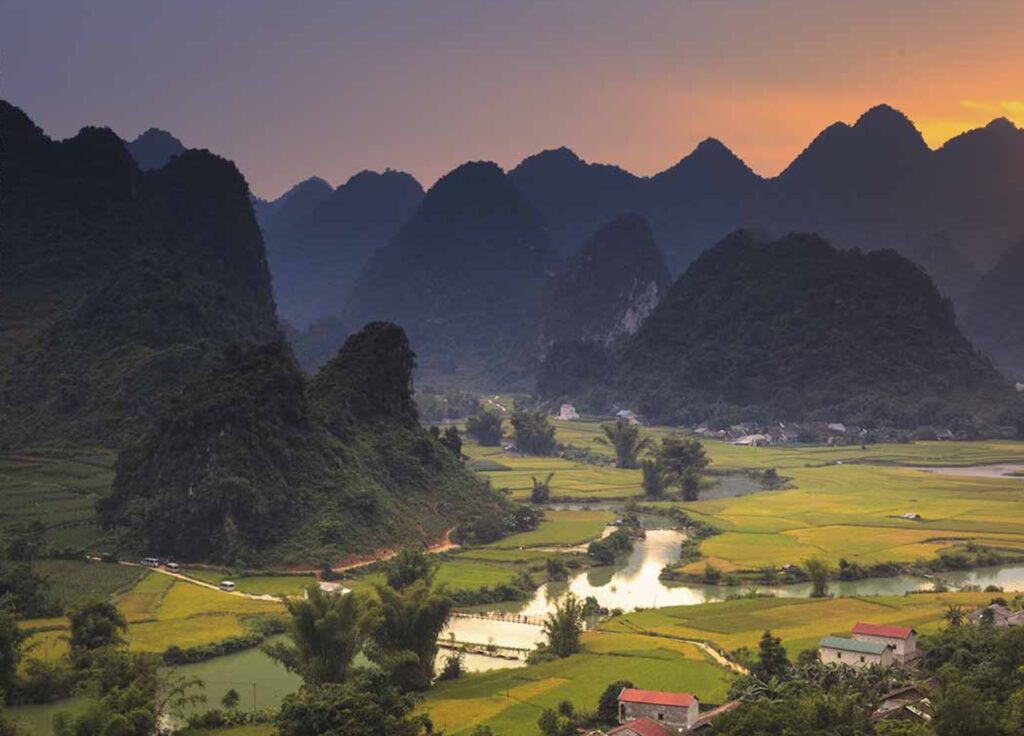
The Non Nuoc Cao Bang Geopark covers a large portion of the province and showcases geological formations dating back hundreds of millions of years. Visitors can explore karst landscapes, ancient river valleys, fossil sites, and scenic mountain passes. The geopark also highlights the relationship between geology and human settlement, showing how ethnic communities have adapted to the terrain over generations.
9. Pac Bo historical site
Pac Bo is a historically significant area where President Ho Chi Minh lived and worked after returning to Vietnam in the early 1940s. The site includes Coc Bo Cave and Lenin Stream, set within a quiet forest environment. The area combines historical importance with natural beauty and is often included in cultural itineraries.
10. Traditional villages and local life
Stone villages such as Khuoi Ky preserve traditional Tay architecture built entirely from local rock. These villages offer insight into communal living, agricultural practices, and cultural customs. Staying overnight in a homestay allows travelers to observe daily routines and local hospitality.
11. Local markets
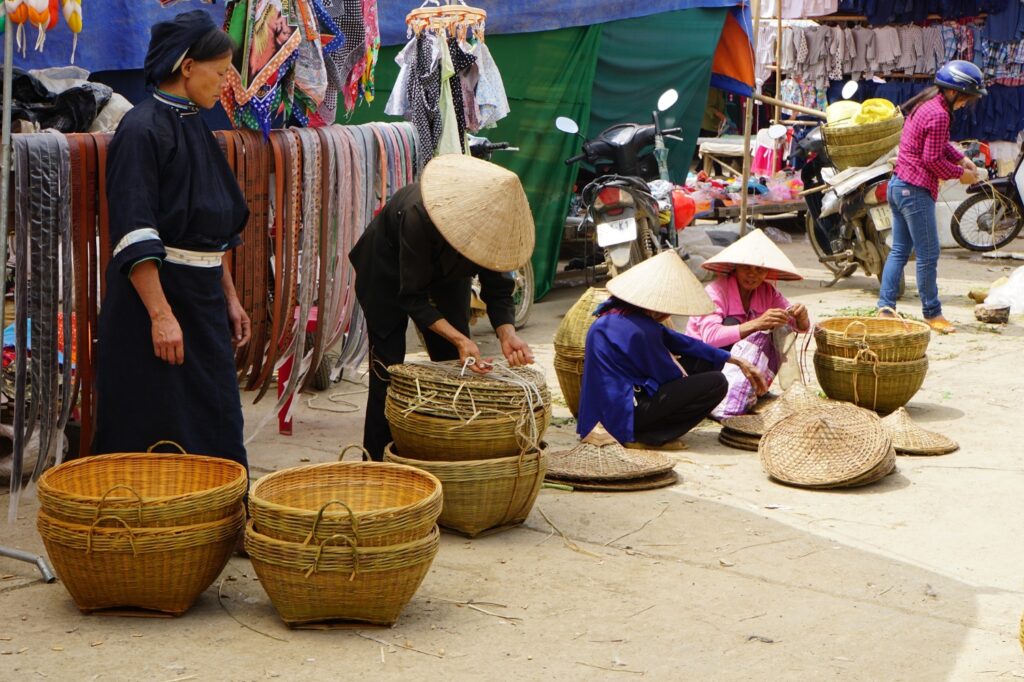
Weekly markets in districts like Bao Lac and Trung Khanh serve as social and economic centers. Ethnic minorities gather to trade agricultural products, handmade goods, and livestock. These markets provide one of the most authentic windows into daily life and cultural expression in Cao Bang.
12. Cao Bang cuisine
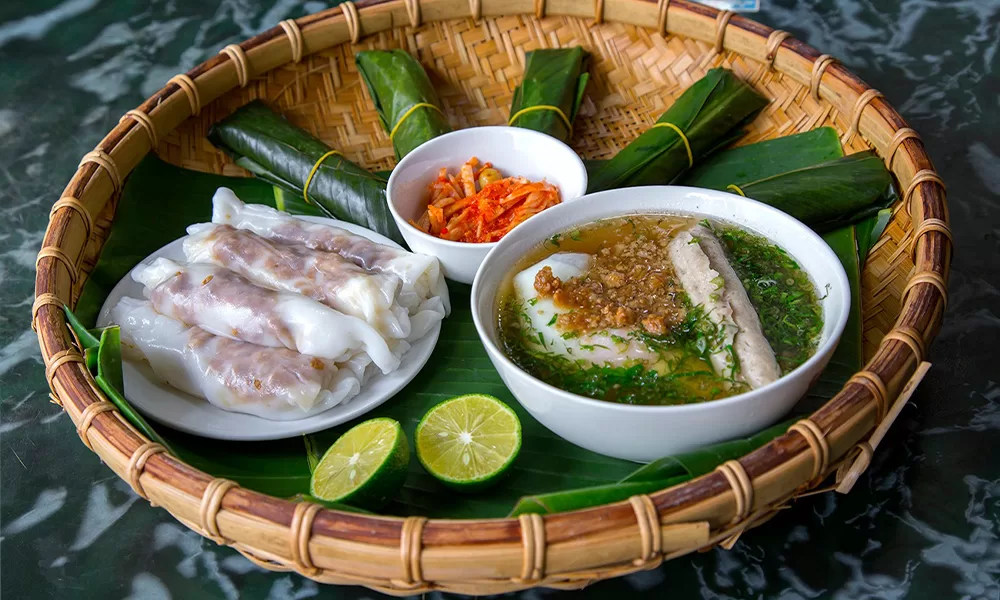
Local food in Cao Bang is influenced by mountain ingredients and preservation methods. Dishes are often rich, warming, and filling. Sour noodle soup is a well-known regional specialty, while braised pork dishes and fried cakes are commonly enjoyed during colder weather. Smoked meats and fermented vegetables are also widely prepared in ethnic households.
13. Activities for nature lovers
Travelers can enjoy motorbike routes through scenic mountain passes, hiking around lakes and waterfalls, cave exploration, and photography. Slow travel is encouraged, as distances between attractions are long and the landscapes reward patience.
14. Practical travel tips
Visitors should plan road trips during daylight hours and monitor weather conditions carefully. Cash is recommended for rural areas, as digital payments are not always available. Respect for local customs is important, especially when visiting villages or religious sites.Cao Bang remains one of Vietnam’s least commercialized destinations, offering raw landscapes and deeply rooted cultural experiences. For travelers seeking authenticity, tranquility, and a strong connection with nature and history, Cao Bang travel provides a journey that is both enriching and unforgettable.