11 Tips for Sapa Solo Travel: A Complete Guide for Travelers
Planning a Sapa solo travel journey? This detailed guide helps independent travelers discover the best time to visit, stay safe, choose the right accommodation, plan trekking routes, enjoy local food, manage budgets, and explore Sapa confidently while traveling on their own.
Why Sapa solo travel is a great choice for independent explorers
Sapa is one of the most accessible mountain destinations in Vietnam for travelers who prefer to explore alone. Despite its remote setting in the northern highlands, the town is well-developed for tourism and attracts a steady flow of international visitors throughout the year. This creates an environment that feels adventurous yet manageable, especially for those traveling solo for the first time.
One of the biggest advantages of Sapa is the balance between independence and support. Travelers can move at their own pace while still having easy access to transport, guided treks, accommodation, and social spaces. For many people, Sapa solo travel becomes a turning point where solo travel feels less intimidating and more empowering.
How to reach Sapa as a solo traveler
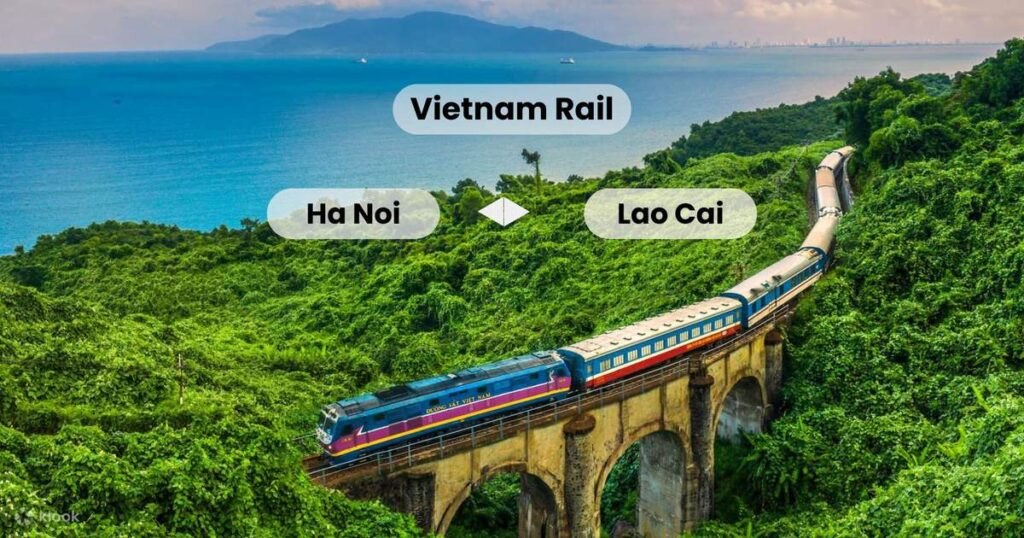
Most solo journeys to Sapa begin in Hanoi, which is well connected to the rest of Vietnam. From Hanoi, travelers can choose between overnight trains to Lao Cai followed by a short transfer, or direct sleeper buses that arrive in Sapa town. Both options are widely used by solo travelers and are considered safe and reliable.
Traveling alone on these routes is very common, and transport staff are familiar with assisting foreign travelers, making the journey relatively stress-free even for first-time visitors.
Best time of year for Sapa solo travel
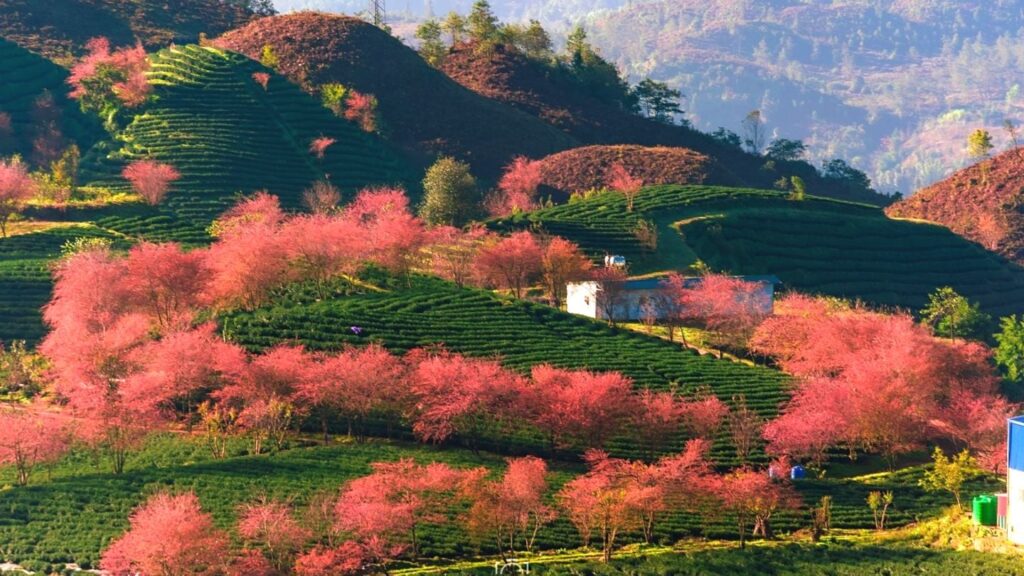
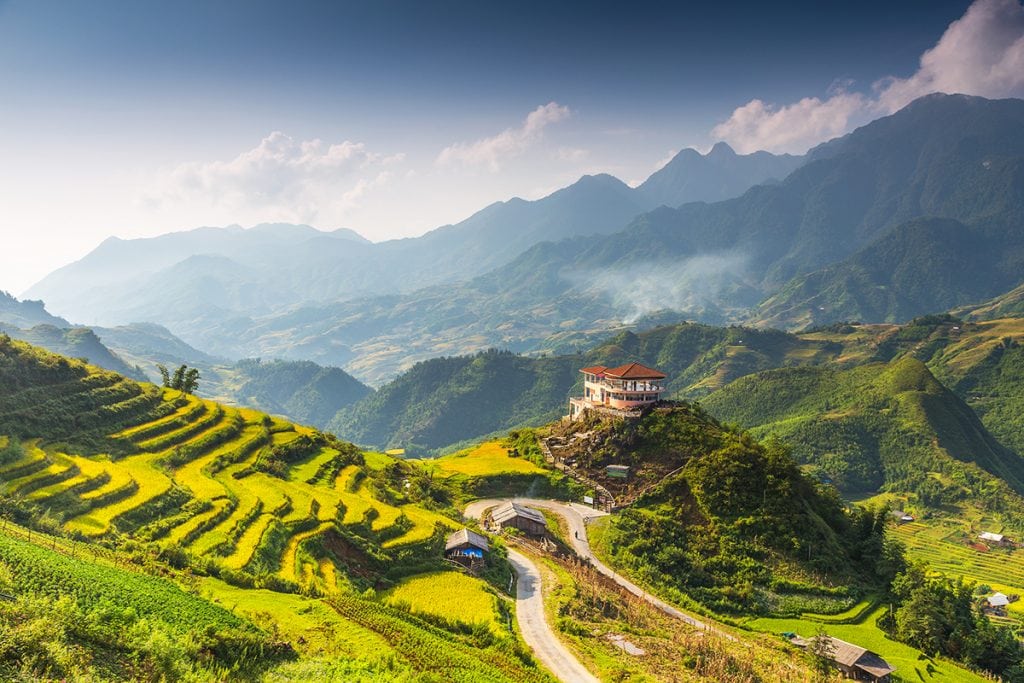
Weather plays an important role in shaping the Sapa experience, particularly if trekking is a priority. Spring months bring mild temperatures and blooming landscapes, while summer transforms the valleys into lush green scenery, although heavy rain can make trails slippery.
Autumn is widely regarded as the best season due to clear skies and golden rice terraces during harvest time. Winter, on the other hand, can be very cold and foggy, with limited visibility. For most travelers, planning Sapa solo travel between September and November offers the best balance of scenery and comfort.
Where to stay when traveling alone in Sapa
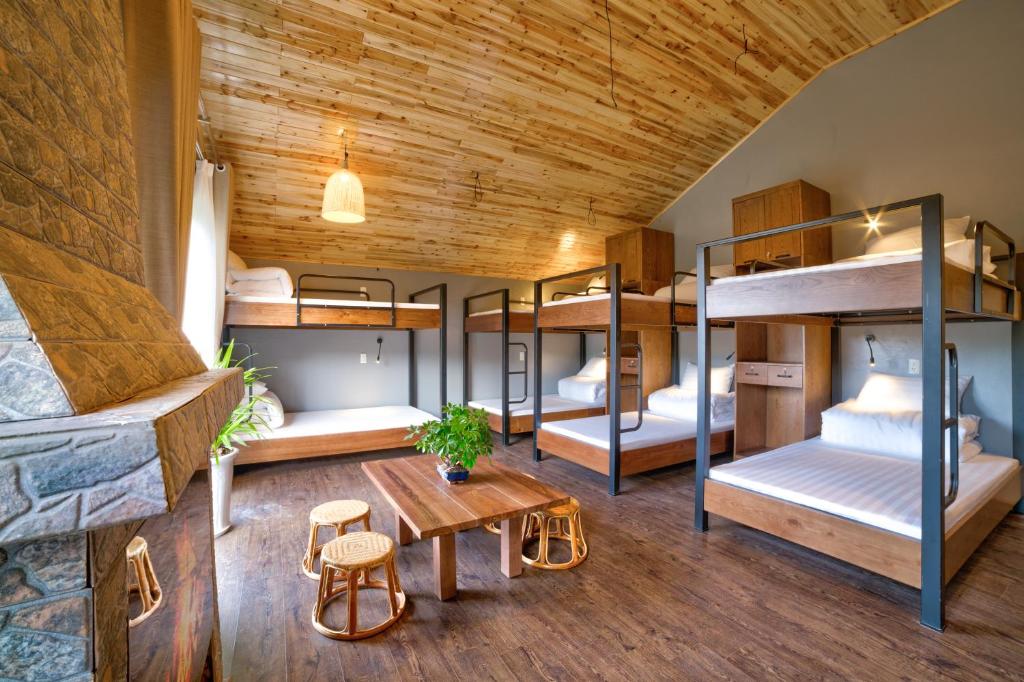
Accommodation choices in Sapa suit a wide range of solo travel styles. Hostels are especially popular due to their social atmosphere and organized activities, which make it easy to meet other travelers. Many hostels arrange group dinners, guided treks, and shared transportation, helping solo travelers feel connected without pressure.
Homestays offer a quieter and more immersive experience, particularly in ethnic minority villages outside the town center. Hotels provide privacy and comfort, which some solo travelers prefer after long days of walking and trekking. Choosing the right place to stay can significantly shape the overall Sapa solo travel experience.
Trekking in Sapa when traveling alone
Trekking is one of the main reasons people visit Sapa, but solo travelers should consider their options carefully. While short walks around town can be done independently, longer treks through valleys and villages are safer and more enriching with a local guide.
Guided treks not only reduce the risk of getting lost or injured, but also provide cultural context and insight into local life. For solo travelers, joining a guided trek is also a natural way to socialize without actively seeking company.
Is Sapa safe for solo travelers?
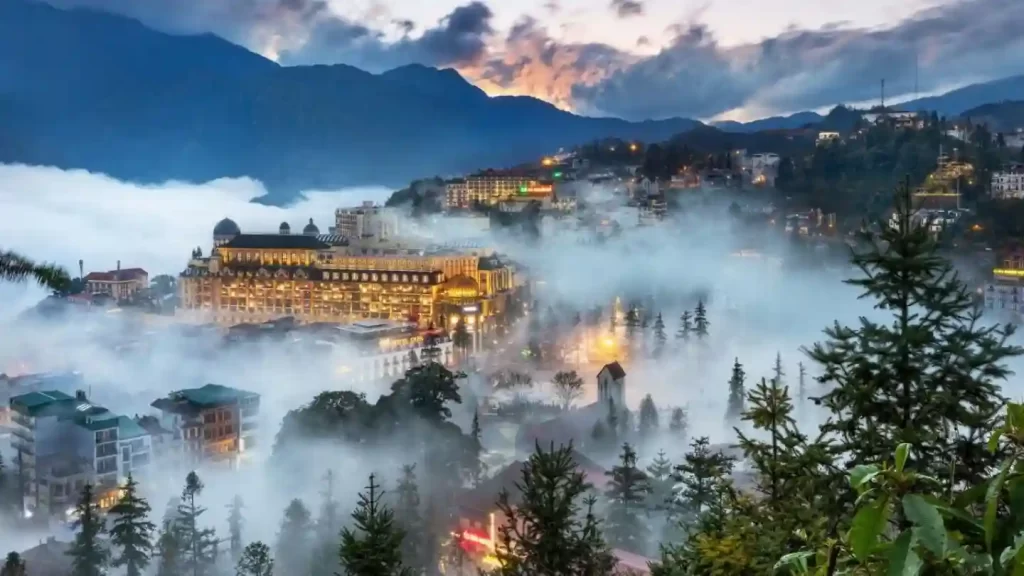
Sapa is generally considered a safe destination, including for those traveling alone. Violent crime is rare, and locals are accustomed to foreign visitors. However, the natural environment presents its own challenges, such as steep terrain, sudden weather changes, and limited lighting at night.
Solo travelers are advised to take basic precautions, trust local advice, and avoid unnecessary risks when trekking. With reasonable awareness and planning, most people find Sapa solo travel to be a safe and comfortable experience.
Things to do alone in Sapa
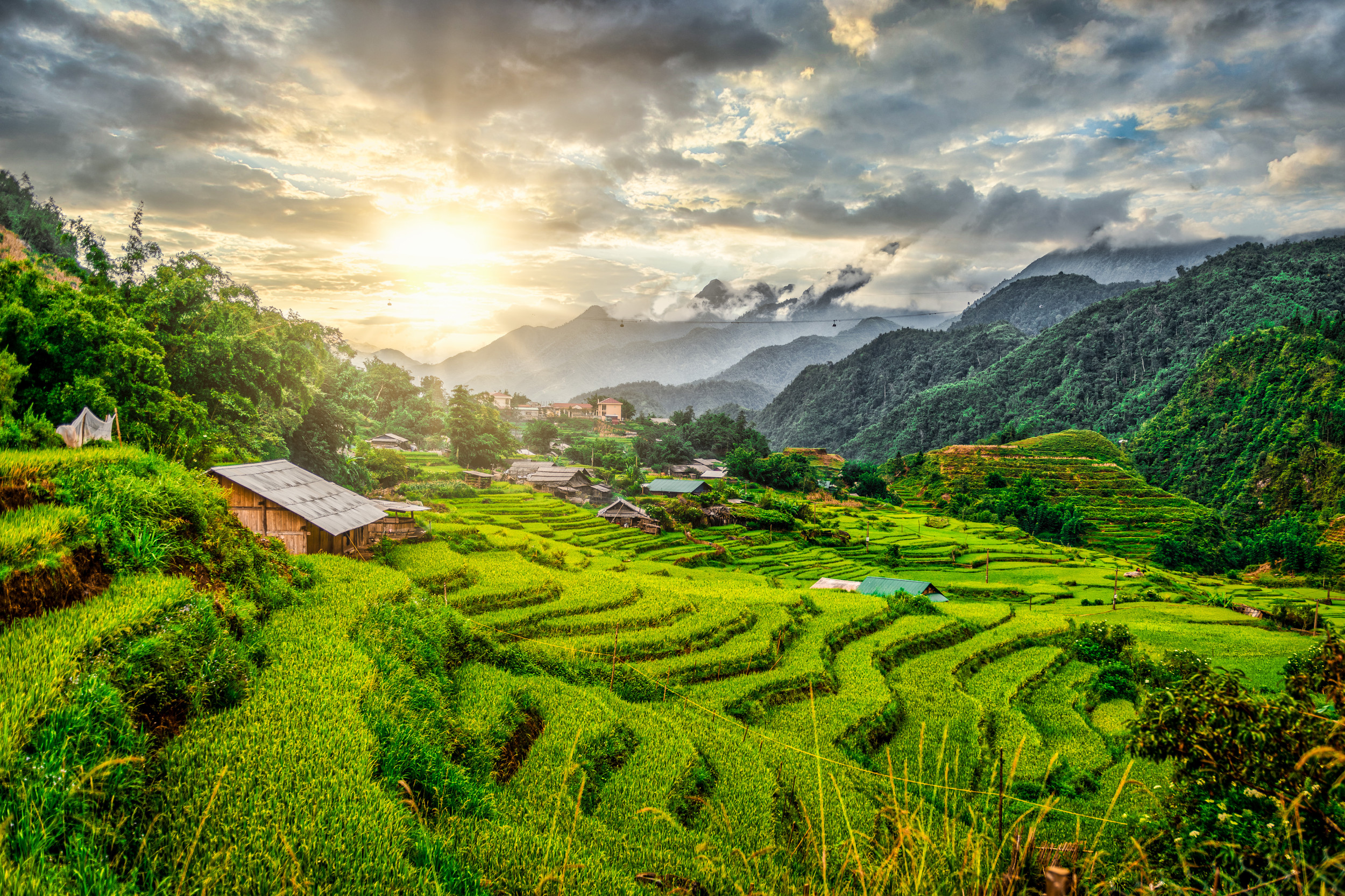
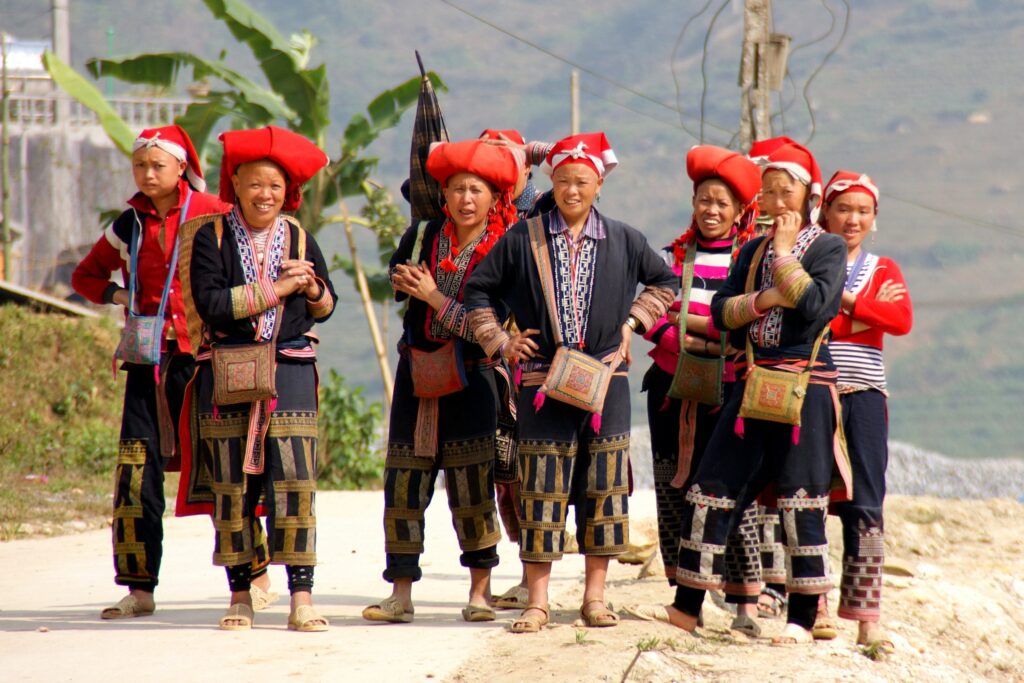
Traveling solo allows for a slower and more intentional experience. Many visitors enjoy spending time trekking through Muong Hoa Valley, exploring local markets early in the morning, or simply sitting in cafés overlooking the mountains. The Fansipan cable car is another popular activity that can easily be enjoyed alone.
Photography, journaling, and quiet walks are common ways solo travelers connect more deeply with Sapa’s landscape. For many, Sapa solo travel becomes less about ticking attractions off a list and more about personal reflection.
Food experience for solo travelers in Sapa
Eating alone in Sapa is simple and affordable. Local restaurants are casual, welcoming, and used to serving individual diners. Homestays often provide communal meals, which naturally create opportunities to interact with other travelers and hosts.
Food becomes an important part of the solo travel experience, offering comfort after long treks and a way to engage with local culture without needing constant conversation.
Meeting people while traveling solo in Sapa
Although traveling alone, it is rare to feel isolated in Sapa. Hostels, trekking tours, shared transport, and cafés create many organic opportunities to meet others. Conversations often start around trekking routes, weather conditions, or travel plans, making social interaction feel effortless.
Many solo travelers end up forming short-term travel friendships during their stay, even if they originally planned to explore independently.
Getting around Sapa on your own
The town center of Sapa is compact and walkable, but nearby villages and viewpoints require transportation. Some solo travelers rent motorbikes, although this is recommended only for those with experience. Taxis and local drivers are widely available, and many trekking tours include transportation as part of the package.
For solo travelers, organized transport often offers the best balance between safety and convenience.
Budget guide for Sapa solo travel
Sapa remains one of the more affordable mountain destinations in Southeast Asia. Daily costs are manageable even for long-term travelers, especially when staying in hostels or homestays.
| Expense Category | Average Cost |
| Accommodation | $6-15 per night |
| Meals | $2-6 |
| Guided trekking | $20-50 |
| Local transport | $5-10 |
| Fansipan cable car | Around $30 |
This budget flexibility makes Sapa solo travel accessible to a wide range of travelers.Sapa offers a rare combination of natural beauty, cultural depth, and solo-friendly infrastructure. Whether you are seeking adventure, quiet reflection, or meaningful connections along the way, Sapa provides the space to experience all three. With thoughtful planning and an open mindset, Sapa solo travel can be both deeply personal and unforgettable.