A Perfect 3 – Day 2 – Night Tour In Ha Giang
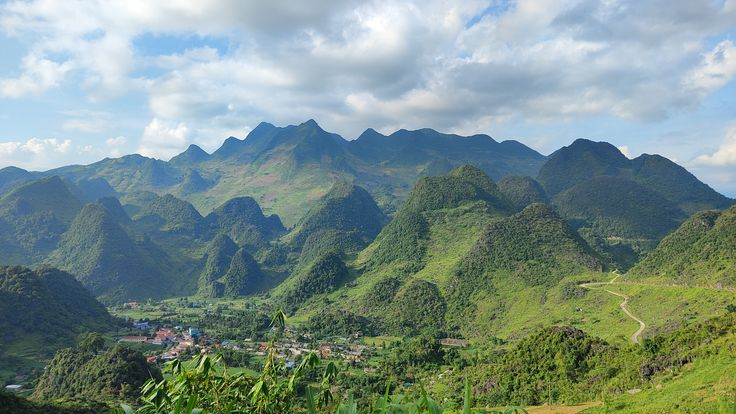
Winding roads that weave through rocky mountains, endless terraced rice fields, and rustic ethnic villages create the unmistakable charm of Ha Giang. This destination is ideal for those who love exploration and have a passion for adventurous travel. If you only have a few days off but still want to fully experience the breathtaking beauty of the highlands, a 3-day, 2-night itinerary is a perfect choice.
Let’s join HelloVietnam in discovering the perfect 3-day, 2-night journey in Ha Giang!
Day 1: Ha Giang – Quan Ba – Yen Minh
The journey to explore Ha Giang begins when you arrive in the city early in the morning. If traveling from Hanoi, you should take an overnight sleeper bus operated by companies such as Quang Nghi, Bang Phan, or Hung Thanh, arriving at Ha Giang Bus Station at around 5:00–6:00 a.m. Ticket prices range from 190,000 to 400,000 VND, depending on the bus company and seat type.
After a long journey, the first thing you should do is rent a means of transportation. With winding mountain roads, motorbikes are the most popular option, offering a sense of freedom and flexibility, with rental prices ranging from 150,000 to 200,000 VND per day. If you are traveling in a group or with family, you should consider renting a self-drive car, costing from 800,000 to 1,200,000 VND per day.
Before leaving the city, don’t forget to stop by the Km0 Milestone—the marker that signifies the beginning of the journey to Vietnam’s northernmost region. Located right in the center of Ha Giang City, this is the perfect spot to take the first photo of your trip. From here, you officially start your journey along National Highway 4C, the legendary road leading into the Dong Van Karst Plateau.
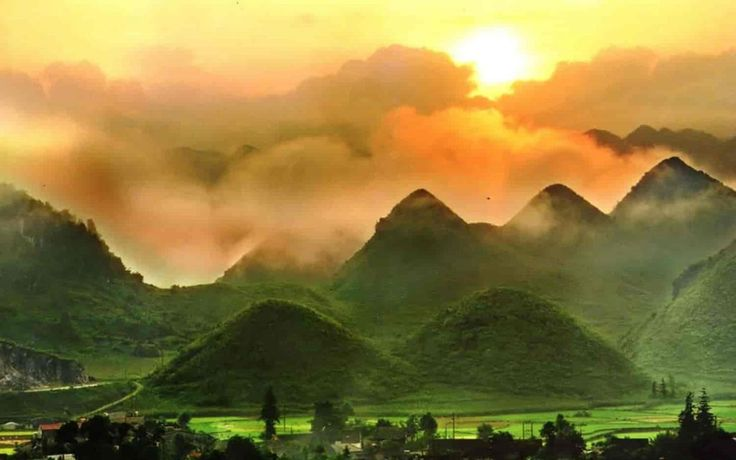
After riding about 45 km northward, you will reach Quan Ba Heaven Gate—an ideal place to breathe in the fresh air and admire the breathtaking mountain scenery. Don’t forget to stop at the viewpoint overlooking the Quan Ba Twin Mountains, two round-shaped hills considered a symbol of the Quan Ba region.
At Noon: Relaxing in Yen Minh – Recharge your energy in the Pine Forest
From Quan Ba, the road leading to Yen Minh stretches for about 50 kilometers, winding through mountain slopes and shaded pine forests. This is considered one of the most beautiful and pleasant sections of the entire journey.
Upon arriving in Yen Minh, you can stop for lunch at roadside eateries or at well-known local restaurants such as Xuan Thuy Restaurant, Phuc Cai Restaurant, or ethnic-style rice restaurants near the town market.
The average cost for a meal here ranges from approximately 20,000 to 100,000 VND per person. After lunch, take some time to rest before continuing your afternoon journey, where many exciting destinations await.
Afternoon: Tham Ma Slope – Pao’s House – Vuong Family Mansion
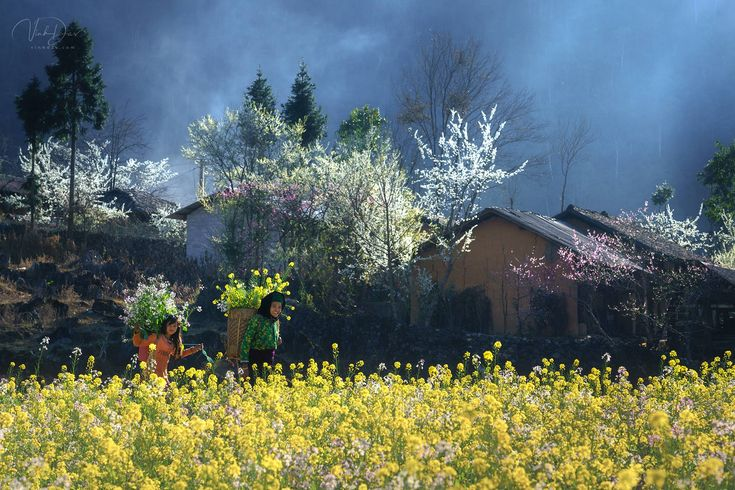
Leaving Yen Minh, you will begin conquering Tham Ma Pass — a famous mountain pass known for its sharp, challenging curves. This stretch is not only a true test of driving skills but also an ideal spot to stop, take out your camera, and capture the majestic mountain scenery. Continuing the journey, you will arrive at Lung Cam Village, home to Pao’s House, the filming location of the well-known movie in Vietnam The Story of Pao.
The house reflects the traditional architecture of the Hmong people, surrounded by buckwheat flower gardens and rustic stone walls. The entrance fee is only about 10,000 VND, yet the experience offers rich emotions – especially for visitors who are passionate about cinema and ethnic culture.
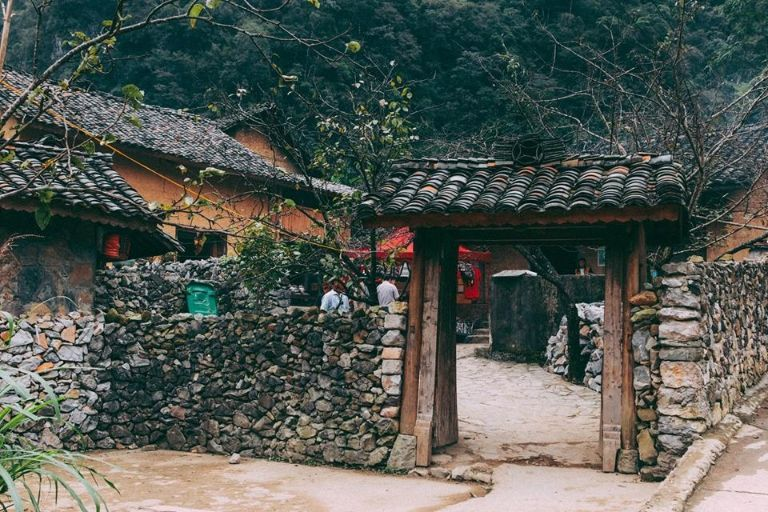
Just about a 15-minute drive away is Vuong Family Mansion, also known as the King of the Hmong Palace. This remarkable historic complex was built in the early 20th century, showcasing a sophisticated blend of French and Chinese architectural styles. It stands as a vivid testament to the former prosperity and power of the Vuong family.
The entrance fee is 20,000 VND—well worth it for the chance to explore the palace’s intricate carvings and to discover the fascinating historical stories surrounding the “King of the Hmong,” Vuong Chinh Duc
.
Evening: Stay at Dong Van – Old Street and many delicious dishes
From the Vuong Family Mansion, continue for about 15 kilometers to reach Dong Van Town—the final stop of the day. Here, you can choose to stay at local homestays such as Bui Homestay or Dong Van Panorama. If you prefer more comfort and amenities, hotels like Hoang Ngoc Hotel or Dong Van Rocky Hotel are also good options. Room rates typically range from 150,000 to 500,000 VND per night.
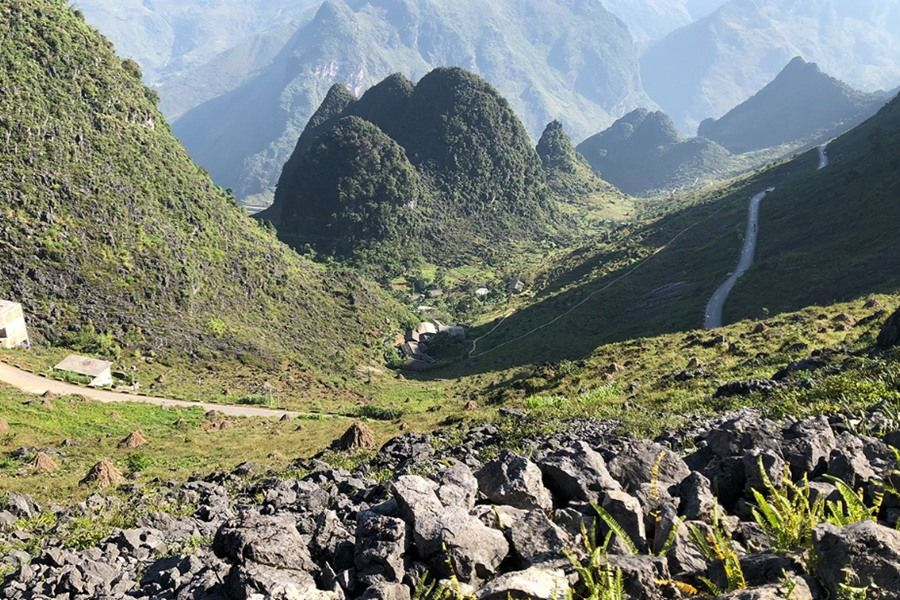
After checking in, spend your evening strolling around Dong Van Old Quarter—a small yet charming area known for its traditional earthen houses, yin-yang tiled roofs, and warm yellow lighting. On weekends, the old quarter hosts a night market where you can sample highland specialties such as hot thang den (sweet rice dumplings), tangy sour pho, or egg rice rolls served with rich bone broth. Each dish costs only around 15,000–30,000 VND, yet they are more than enough to warm your heart in the cool highland air.
Day 2: Dong Van – Ma Pi Leng
Morning: Journey to Vietnam’s Northernmost Point – Lung Cu Flag Pole and Cao Street
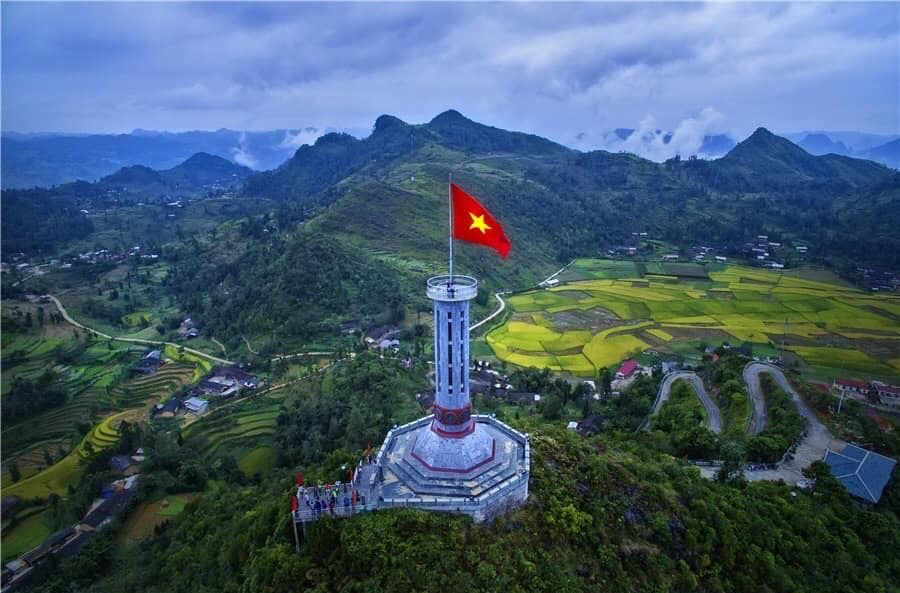
Start your new day by leaving Dong Van and heading north to Lung Cu Flag pole, the sacred northernmost point of the country. The journey is approximately 30 kilometers long and takes about one hour by motorbike or car. The road features many sharp curves and steep slopes, so you should carefully check your vehicle before setting off.
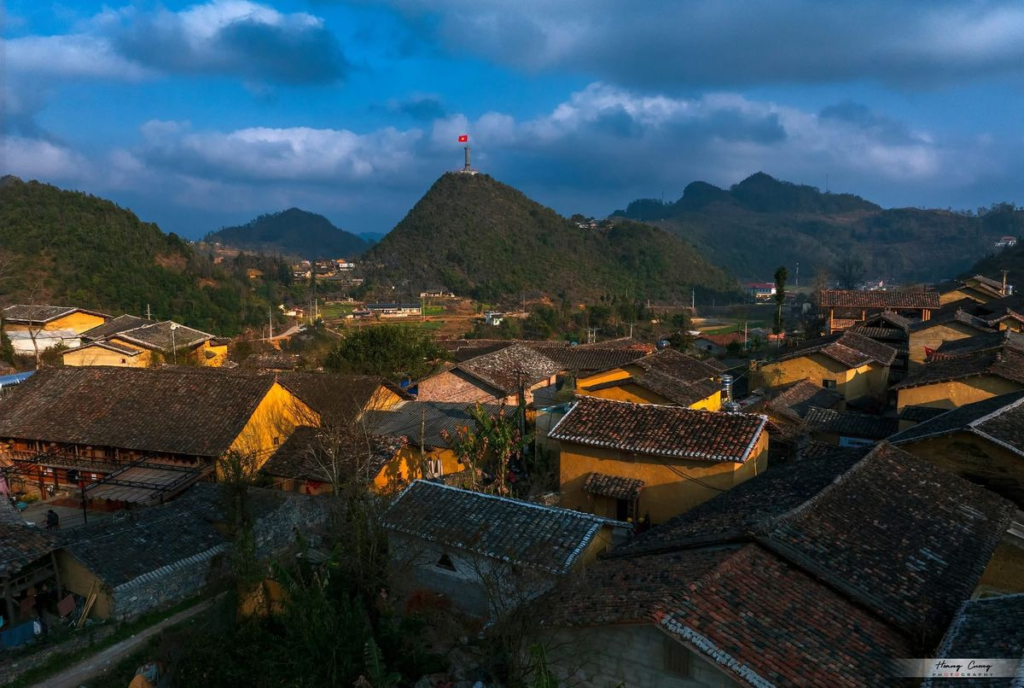
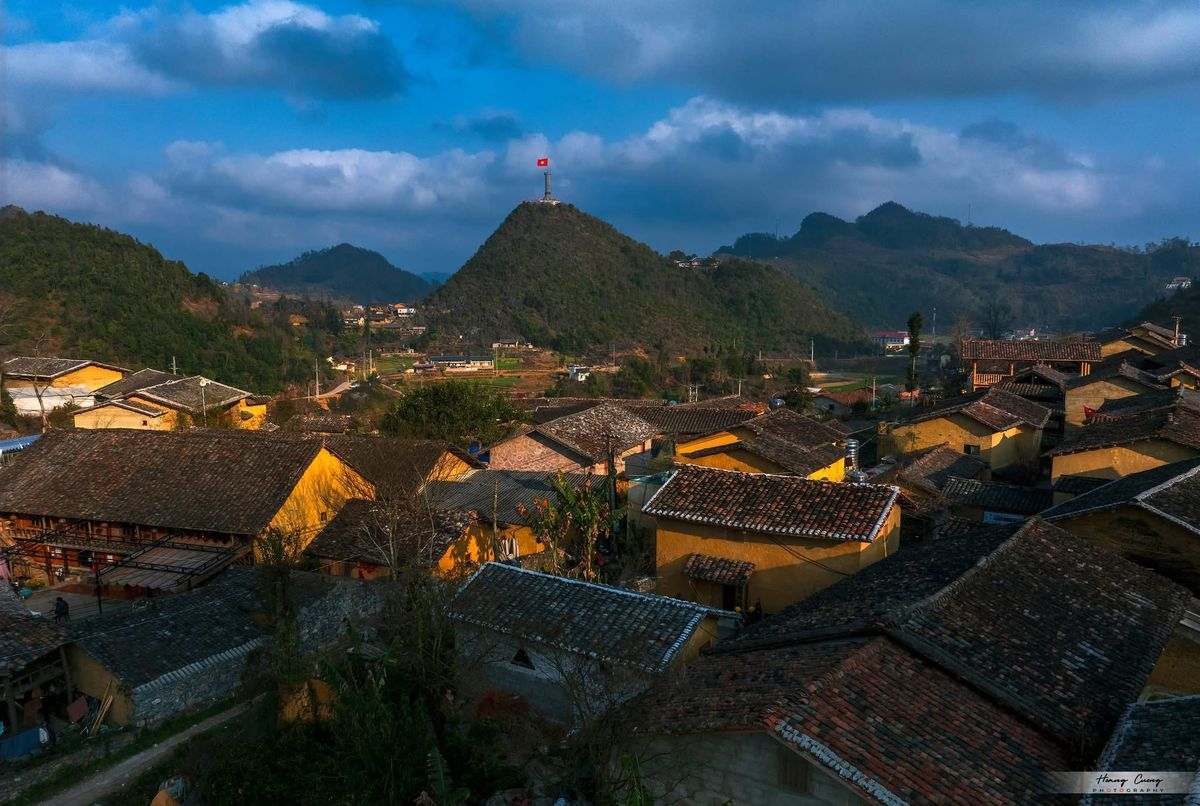
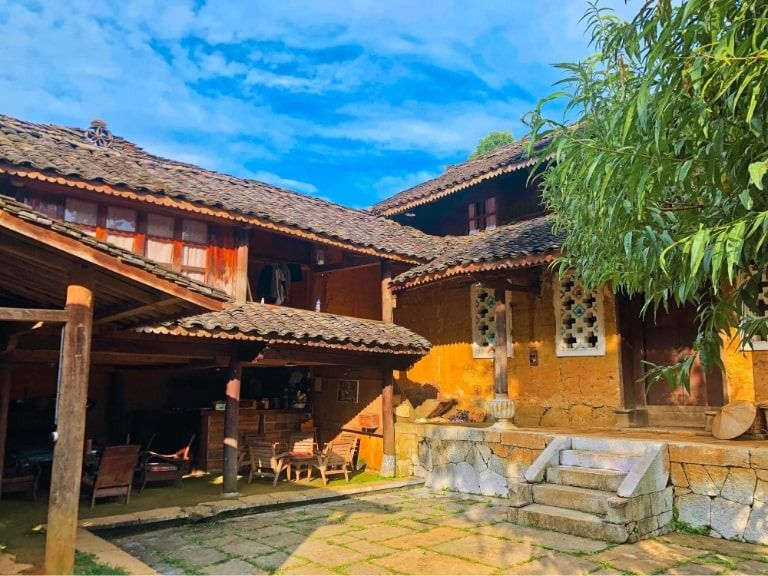
Along the way, you will pass through Cao Street, a peaceful valley famous for its traditional rammed-earth houses made of red or yellow clay, a distinctive architectural feature of the Mong people. This is an ideal stop to take photos and enjoy the fresh, clean air of the highlands.
Upon arriving at the Lung Cu Flag pole, you will witness the red flag with a yellow star flying proudly atop the mountain – a powerful symbol of national sovereignty. The entrance fee is VND 25,000 per adult; children under 1.3 meters tall are admitted free of charge. If you prefer not to climb on foot, electric shuttle services are available at VND 15,000 per ride per adult.
After visiting the Lung Cu Flag pole, return to Dong Van town to rest and have lunch. You can choose local eateries such as Banh Cuon Ba Ha, Moc Mien Au Tau Porridge, or Ba Tu Lan Thang Co to enjoy regional specialties at reasonable prices.
Afternoon: Conquering Ma Pi Leng Pass – Exploring the Nho Que River and the Death Rock
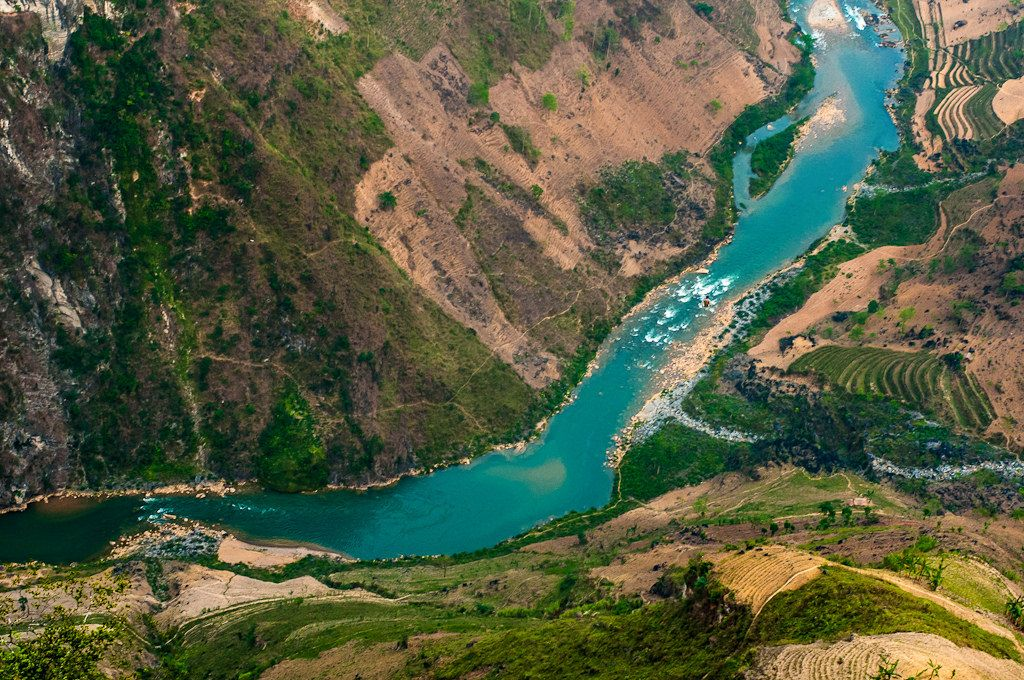
In the afternoon, continue your journey to conquer Ma Pi Leng Pass, one of Vietnam’s “four great mountain passes.” Stretching for approximately 20 km, the pass connects Dong Van and Meo Vac, and is famous for its winding curves and majestic scenery. From the top of the pass, you can admire a panoramic view of the emerald-green Nho Que River winding gracefully at the foot of the mountains.
To fully experience the beauty of the Nho Que River, you should descend to Ta Lang Boat Pier to take a boat trip exploring Tu San Canyon, known as the deepest canyon in Southeast Asia. The motorboat ticket costs approximately 100,000 VND per person. The road down to the pier is quite steep and winding, so extra caution is advised when traveling.
After visiting Tu San Canyon, continue to Death Cliff, a famous check-in spot located at the end of Gio Pass in Pai Lung, Meo Vac District. From here, you can capture stunning photos against a backdrop of dramatic mountain landscapes. However, the path leading up to the cliff is fairly dangerous, so be sure to carefully assess the conditions and prioritize safety during your visit.
Evening: Stay overnight in Meo Vac or return to Dong Van
After an impressive day of exploration, you should consider staying overnight in Meo Vac town to make the next day’s journey more convenient. There are many homestays and hotels here, such as Meo Vac Clay House and Auberge de Meo Vac, with room rates ranging from VND 200,000 to 500,000 per night.
If you prefer to return to Dong Van for accommodation and further sightseeing, be sure to plan your time carefully to avoid traveling too late, as mountain roads can be challenging after dark.
Day 3: Du Gia Village
After a night’s rest in Meo Vac, you set off early for Du Gia, a peaceful village nestled among the mountains and forests of Ha Giang. The journey from Meo Vac to Du Gia is approximately 80 kilometers long, featuring winding mountain roads and breathtaking natural scenery.
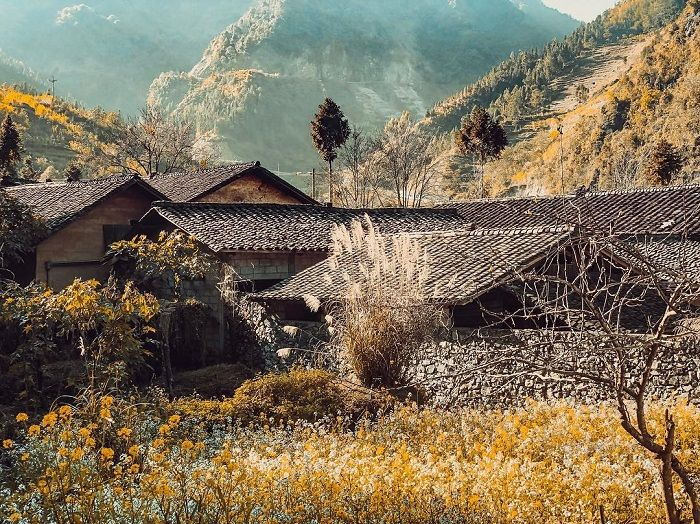
Upon arriving in Du Gia, you will immediately feel the fresh, cool air and the tranquil atmosphere of the village. This area is home to several ethnic groups such as the Tay, H’Mong, and Dao, each with rich cultural traditions and a simple, authentic way of life.
Morning: Explore Du Gia Waterfall
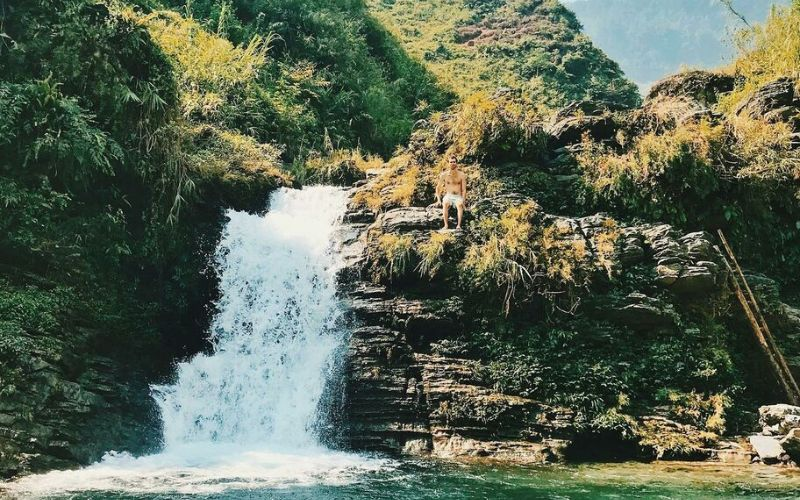
One destination you should not miss when visiting Du Gia is Du Gia Waterfall, often referred to as the “sleeping fairy” hidden among the mountains and forests of Ha Giang. The waterfall is approximately 6 meters high and 2 meters wide, with crystal-clear water flowing through deep rocky crevices, creating a breathtaking and poetic landscape.
To reach the waterfall, visitors need to hike about 3–4 kilometers along a small trail from the center of Du Gia commune. Although the journey can be physically demanding, it rewards travelers with a memorable experience—immersing themselves in pristine nature and enjoying the peaceful, untouched atmosphere of the mountain wilderness.
At Noon: Explore local dishes
After visiting and swimming in the stream at Du Gia Waterfall, you return to the village to enjoy lunch featuring local specialties. Some dishes you should definitely try include:
- Grilled stream fish: Small, freshly caught fish taken directly from the cool, clear stream are marinated with spices and grilled over hot charcoal, releasing an irresistible aroma.
- Grilled free-range pork: The pork comes from naturally raised pigs, giving it a distinctively sweet and fragrant flavor. The meat is seasoned and grilled to perfection, then served with wild vegetables and a special dipping sauce.
- Corn wine: A traditional alcoholic drink of the H’mong people, made from corn and herbal yeast. It has a mildly sweet taste and a rich, aromatic fragrance, making it an excellent match for local dishes.
You can enjoy these meals at local homestays or small eateries in the village, with affordable prices ranging from approximately 100,000 to 150,000 VND per person.
Afternoon: Return to Ha Giang City – Finish your trip
After lunch and a short rest, you will begin your journey back to Ha Giang City, covering a distance of approximately 70 kilometers. Along the way, you can stop at local specialty shops to buy gifts for family and friends. Some well-known specialties of Ha Giang include:
- Ancient Shan Tuyet Tea: This tea is harvested from centuries-old tea trees and is known for its distinctive aroma and rich, full-bodied flavor.
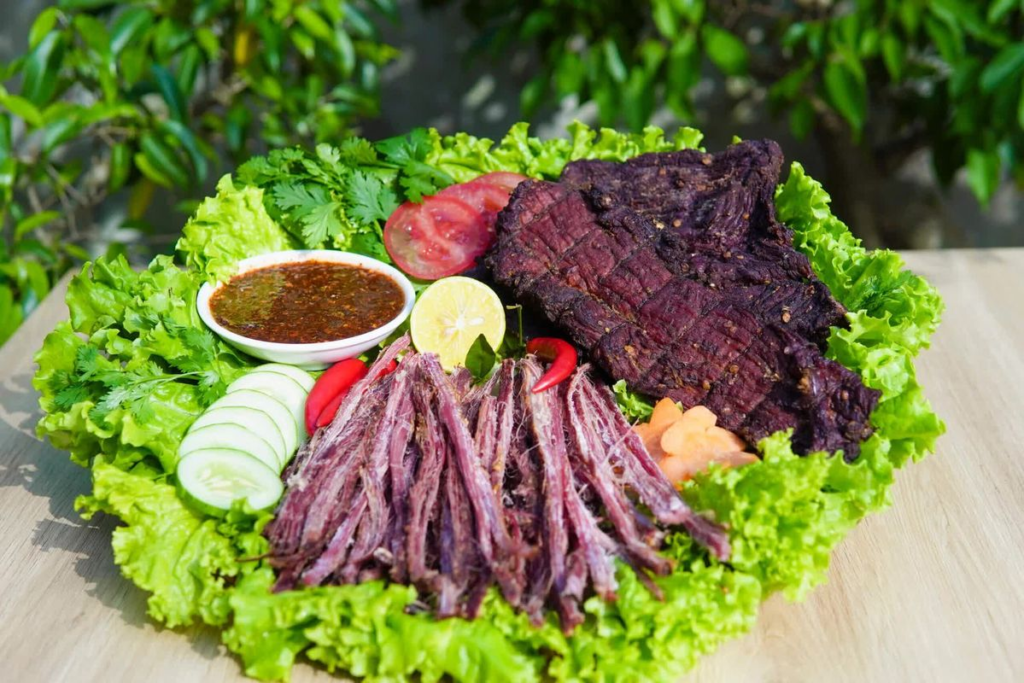
- Ha Giang Sausages: Made from free-range local pork, seasoned with traditional spices and smoked, these sausages have a fragrant taste and a rich, fatty texture.
- Buckwheat Honey: A unique type of honey collected from buckwheat flowers growing on the Dong Van Karst Plateau, featuring a mild sweetness and a delicate aroma.
Upon arrival in Ha Giang City, you will return the rented vehicle, rest, and prepare your luggage. If time permits, take a stroll around the city to enjoy local cuisine or shop for additional souvenirs.